
REVIEW · KATHMANDU
Rafting Tour In Trishuli river
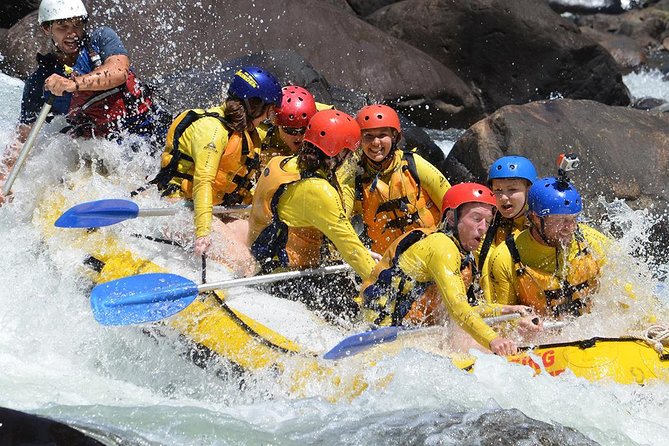
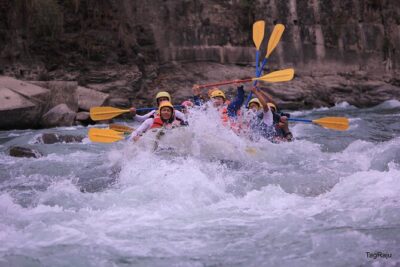
The best part of this day is the change of pace: you leave Kathmandu by road, reach the Trishuli River near Malekhu, then spend about four hours on moving water before ending near Mugling. Forest scenery, wildlife, and changing river levels give the trip more character than a short splash around a fixed course.
I like that lunch and round-trip transport are included, since that removes two common headaches on a one-day outing. I also like the stated focus on licensed, safety-trained guides and certified equipment, including helmets, paddles, and splash jackets. The main concern is reliability at the very start: one customer reported waiting at the hotel without a pickup and being unable to reach the listed number, so confirm the collection details before bed.
Key points to know before booking
- The day begins at 6:20 am: Expect a long road journey before the river section starts.
- The rafting runs from Malekhu to Mugling: The listed water time is about four hours.
- Transport is included: You travel from Kathmandu and back by tourist bus.
- Lunch is included after rafting: Alcohol, personal items, and toiletries are not.
- The age range is 11 to 70: You should also have moderate physical fitness.
- The group is capped at 15 people: This keeps it smaller than a large commercial outing, though the exact guide-to-participant ratio is not given.
The 6:20 am start sets the tone
This is an early, full-day outing, not a casual afternoon activity. You should be ready at 6:20 am after breakfast, with the morning spent on the road before you reach the river.
The drive from Kathmandu to Malekhu takes about three to four hours. The route covers roughly 75 kilometers, but Nepal road conditions and traffic can make distance a poor guide to travel time. You will want patience, a light breakfast, water, and clothing that can handle a long ride followed by wet activity.
Round-trip transport is provided by tourist bus. That is useful if you do not want to arrange a private vehicle or figure out how to return from Mugling after rafting. It also means you are tied to the day’s shared schedule, so this is not the right choice if you want to leave Kathmandu late or return at a time of your choosing.
Pickup is offered, but the practical details deserve attention. One serious service problem was reported when a booked customer waited for hotel pickup, called several times, and received no answer. The provider apologized and said it had tried to make contact. I would confirm your hotel, pickup time, and working phone number the day before, then ask what to do if the bus is delayed.
A few more rafting days around Nepal worth a look
- Upper Seti: Half-Day White Water Adventure
★ 5.0 · 87 reviews - Pokhara: Half Day Upper Seti Rafting & Paragliding adventure
★ 4.8 · 34 reviews - Himalayan White Water Rafting Day Trip from Kathmandu
★ 4.0 · 22 reviews
The road to Malekhu is part of the outing
The drive is not just a transfer to forget. The route follows the main road out of Kathmandu and gives you several hours to watch the city give way to rural Nepal. The available information does not promise specific villages, viewpoints, or roadside stops, so you should not book this as a sightseeing drive with scheduled attractions.
What you do get is a gradual change in surroundings and the anticipation of the river ahead. The tradeoff is clear: the road portion takes nearly as long as the rafting itself. At $70 per person, the included transport makes the price easier to justify, but you are paying for a long day rather than four hours of rafting alone.
The bus arrangement also matters for comfort. A shared tourist bus can be practical and sociable, but it is less private than a car. Since the activity lasts around eight hours in total, your enjoyment will depend partly on how well you handle early starts and extended road travel.
Malekhu marks the switch from road to river
At Malekhu, the rafting section begins. The plan is to raft for about four hours toward Mugling, which gives you a substantial stretch of river time rather than a brief introductory run.
The Trishuli is one of Nepal’s best-known rafting rivers, and its character changes with the season. Water levels can rise or fall, affecting how lively the ride feels. The important point is that the provider says safety remains central and that the guides adjust their approach to conditions.
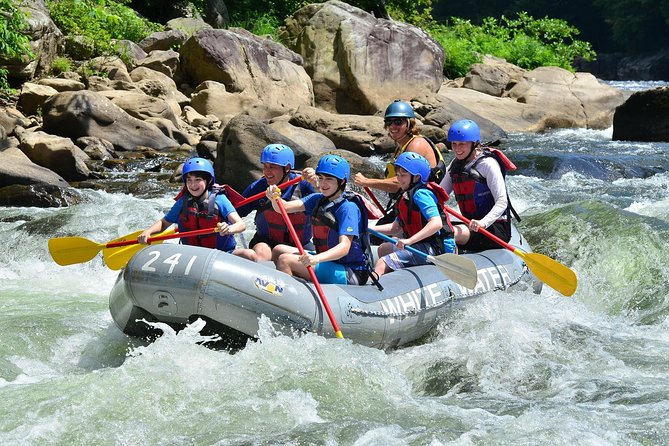
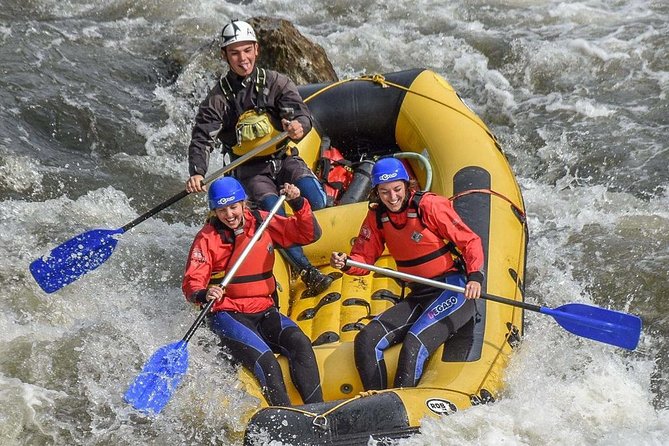
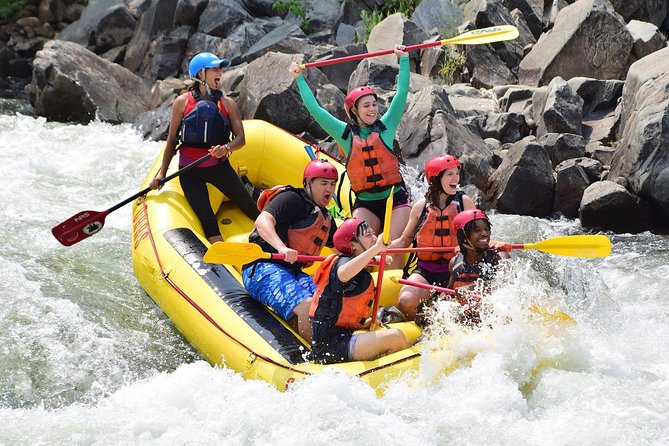
You should expect an active outing, not a scenic boat ride where you simply sit back. Paddling, balancing, getting wet, and following instructions are all part of the day. The age limit of 11 to 70 gives a useful boundary, but it does not replace the stated requirement for moderate physical fitness.
The scenery is one of the quieter pleasures here. You may see forest along the river and possibly wildlife as the boat moves downstream. The information does not identify particular species or guarantee sightings, so treat those details as possible bonuses rather than promised highlights.
Four hours on the Trishuli River
Four hours on the water is enough to make the rafting the main event. You have time to settle into the boat, learn how the group works together, and enjoy the changing river conditions instead of rushing through a short introductory section.
The guide’s role is especially important. The tour includes professional English-speaking licensed guides who are described as highly trained and safety certified for rafting. They are responsible for giving instructions and helping the group respond to the river, while you are responsible for listening and taking part.
The equipment list is reassuring in practical terms. Helmets, paddles, and splash jackets are included, and the equipment is described as international brand ISO and CE certified. That does not make the activity risk-free, but it means you are not expected to arrive with a complete rafting kit.
You still need to bring personal items that are not supplied. Swimwear, a towel, and toiletries are specifically excluded. Alcoholic drinks are also not included, and personal expenses remain your responsibility. Pack only what you can keep secure, since wet conditions are likely during a river trip.
The operator provides insurance for its crew, but not for participants. You must have suitable personal insurance. This is one of the most important practical points in the booking details, particularly for an activity involving moving water and physical exertion.
Same river country, a completely different day on the water:
- 1 Night 2 Days Trishuli River Rafting Trip From Kathmandu With Private Car
★ 5.0 · 14 reviews - Pokhara: Seti River Rafting Adventure with Hotel Pickup
★ 5.0 · 5 reviews - Rafting in Nepal: Trishuli, Bhotekoshi & Other River Rafting
★ 4.5 · 5 reviews - 1 Day Trishuli Rafting from Pokhara
★ 5.0 · 4 reviews
Mugling is the end of the water section
After roughly four hours of rafting, the route reaches Mugling. The river portion ends there, and lunch follows. The meal is included, which is helpful after a morning of road travel and several hours of paddling.
The information does not specify the menu, restaurant, or dietary arrangements. If you have food restrictions, ask the provider before departure rather than assuming the included lunch will meet your needs. The same applies if you need a vegetarian meal or have allergies, since no meal details are provided.
Lunch is also the natural point to change out of wet clothing and prepare for the return drive. Because towels and toiletries are excluded, pack your own. You should not count on a full changing or shower facility unless the provider confirms one separately.
The return to Kathmandu takes several hours
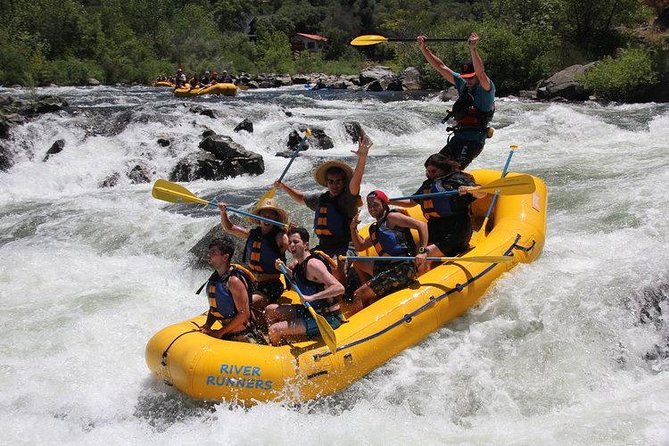
After lunch, you return to Kathmandu by the same general road route. This makes the day efficient, but not short. The total excursion is estimated at around eight hours, with the outward and return journeys taking a large share of the schedule.
That timing affects who will enjoy the trip. I would recommend it to you if you want a straightforward rafting day from the capital and are comfortable giving up most of a day to reach the river. I would hesitate if you dislike long bus rides, need a flexible return time, or want a more relaxed sightseeing program.
The return journey can also be tiring after rafting. Plan your evening lightly and avoid scheduling an important late-night connection immediately afterward. The tour information does not give a precise arrival time, so allow some flexibility beyond the approximate eight-hour duration.
What the $70 price really covers
At $70 per person, the value depends on how much you would otherwise spend arranging the day yourself. The fee includes the Kathmandu to river transfer, the return bus, lunch, professional English-speaking guides, rafting equipment, and the river trip itself.
That is a useful bundle. Private transport alone could add a noticeable cost, while renting helmets, paddles, and splash jackets would require planning. The included meal also means one less stop to arrange during a tightly timed day.
The price does not include insurance for you, alcohol, swimwear, towels, toiletries, unrelated transport, accommodation, visas, travel documents, departure taxes, or personal spending. These exclusions are normal for a day tour, but they matter when you calculate the real budget.
The group maximum is 15 people. That is small enough to feel more organized than a very large boat operation, though the available information does not say how many people share one raft or how many guides accompany each group. Ask if a close guide-to-participant ratio matters to you.
Safety, fitness, and the right age range
The stated age range is 11 to 70. That gives families and older active participants a useful starting point, but you should judge your own condition honestly. The activity requires moderate physical fitness, and the river environment adds demands that a normal sightseeing day does not.
Safety depends on several things: river conditions, the quality of the equipment, the guide’s decisions, and your willingness to follow instructions. The provider describes its guides as licensed, trained, and safety certified, and says that the water level is considered when managing the trip.
Weather also affects whether the outing runs. If poor weather forces cancellation, you are offered another date or a full refund. You can cancel for a full refund if you do so at least 24 hours before the local start time. Cancellations or changes made less than 24 hours before departure are not accepted for a refund.
You should also know that booking confirmation is provided at the time of booking, and the meeting point is near public transportation. The listed start time is 6:20 am, but the precise hotel pickup arrangement should be confirmed directly.
Who should book this rafting day?
I would choose this tour if you are staying in Kathmandu and want a single-day river adventure without arranging transport, gear, lunch, or a return journey. It suits active adults, families with older children who fit the age range, and visitors who prefer a planned group outing.
It is also a reasonable option if you want more than a quick rafting taster. Four hours on the Trishuli gives the water section enough time to feel like the purpose of the day, while the forest views and possible wildlife add a scenic side to the activity.
I would think twice if your priority is comfort, privacy, or precise timing. The early start and long bus ride are unavoidable parts of the plan. The reported missed pickup is another reason to confirm the arrangements rather than assuming every detail will happen automatically.
Should you book the Trishuli River rafting tour?
Book it if you value convenience and want the main costs bundled into one $70 day. The combination of round-trip transport, lunch, guides, certified equipment, and about four hours on the river offers fair value for an active outing from Kathmandu.
Before paying, make sure you are comfortable with the early start, moderate fitness requirement, long road journeys, and need to arrange your own insurance and personal river clothing. Most importantly, confirm the pickup details and keep the operator’s contact information available on the morning.
If those conditions suit you, this is a practical way to reach the Trishuli without building the trip yourself. If you need dependable door-to-door communication above all else, the pickup problem reported by one customer is a reason to seek written confirmation before committing.
FAQ
What time does the rafting tour start?
The listed start time is 6:20 am.
How long does the full excursion take?
The total outing takes approximately eight hours.
How long is the drive from Kathmandu to the river?
The drive to Malekhu takes about three to four hours. Malekhu is approximately 75 kilometers from Kathmandu.
How long do you raft?
The rafting section lasts about four hours, traveling from Malekhu toward Mugling.
Is lunch included?
Yes. Lunch is included and is provided after the rafting section.
What is included in the price?
The price includes professional English-speaking licensed guides, certified rafting equipment, lunch, and round-trip tourist-bus transportation between Kathmandu and the rafting area.
Just added around Nepal
- White Water River Rafting – 1 Day★ 4.3 · 3 reviews
- 1 Day Trishuli Rafting from Pokhara★ 5.0 · 4 reviews
- Paragliding Trip with River Rafting★ 5.0 · 2 reviews
- 1 Day Rafting Upper Seti River★ 4.5 · 2 reviews
- 1 day Trishuli river rafting★ 5.0 · 2 reviews
- Kathmandu Pokhara & Chitwan Tour with Rafting -8 Days★ 5.0 · 2 reviews
- Trishuli Rafting★ 5.0 · 4 reviews
- A Day Rafting Tour to TRISHULI RIVER★ 3.5 · 3 reviews
Kathmandu Rafting Tours, compared.
Himalayan White Water Rafting Day Trip from Kathmandu
Read our review →
1 Night 2 Days Trishuli River Rafting Trip From Kathmandu With Private Car
Read our review →
Rafting in Nepal: Trishuli, Bhotekoshi & Other River Rafting
Read our review →
Beginner-Friendly Rafting Adventure on the Trishuli River
Read our review →
Trishuli River Rafting Day Trip From Kathmandu by Private Car
Read our review →Browse the lists this tour appears in