
REVIEW · KATHMANDU
Rafting in Nepal: Trishuli, Bhotekoshi & Other River Rafting
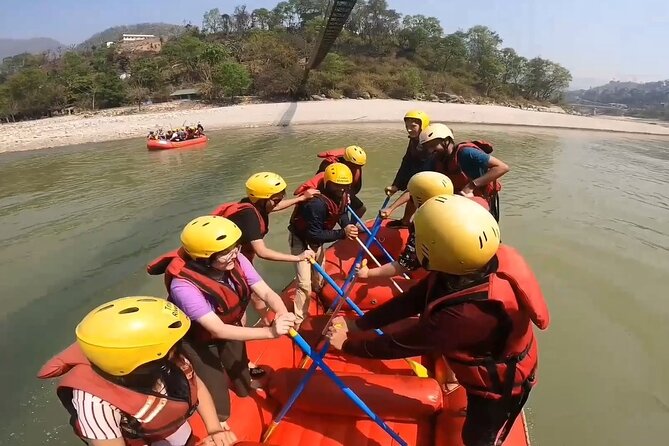
Kathmandu is only a few hours from Nepal’s river country, where a warm-water rafting trip turns a long road journey into a proper outdoor adventure. The Trishuli River offers manageable Class II and III rapids, while the Bhote Koshi brings much harder Class III to V water for experienced rafters.
I like the simple package: hotel pickup, rafting equipment, lunch, guides, and transport back to Kathmandu are included. I also like the choice of rivers, since you can pick a moderate day on the Trishuli or a high-adrenaline run on the Bhote Koshi.
The main catch is the road. Public bus transport can be slow, crowded, and uncomfortable, with one trip taking more than five hours to reach the river. If comfort and time matter, pay for the private vehicle option.
Key points to know before you book
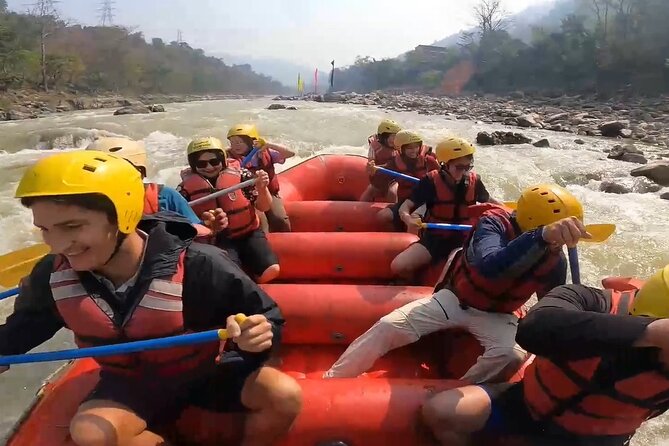
- Trishuli is the practical choice for beginners: Its Class II and III rapids offer excitement without demanding advanced rafting skills.
- Bhote Koshi is the serious option: Class III to V rapids suit experienced rafters and anyone seeking a tougher day on the water.
- The transport can shape the whole experience: Private transport is more comfortable, while public or tourist bus service depends on availability and road conditions.
- The river scenery is part of the reward: You travel through Nepal’s hills and valleys before rafting through clear, warm water.
- Lunch and return transport are included: You are not left to arrange your own meal or find your way back from the river.
- The group limit is 15 people: That is small enough for the guides to manage the boat and safety briefing properly.
Why rafting near Kathmandu works so well
Nepal is famous for long trekking routes, but you do not need a week in the mountains to get close to its wild side. This rafting experience gives you a full outdoor day from Kathmandu, with the river reached by road and the return journey included.
The appeal is the contrast. You start with city pickup, pass through hilly scenery, and then trade traffic for moving water. The rivers cut through valleys and narrow stretches of countryside, giving you a stronger sense of Nepal beyond the main tourist streets.
The package costs $90 per person. That is not just a charge for time in the raft. It covers hotel pickup and drop-off, transportation to the put-in point, rafting costs, safety support, lunch, and transport from the finishing point back toward the starting area. The price makes better sense if you would otherwise need to arrange a vehicle, boat, gear, meal, and return ride yourself.
The exact day can run from six to 12 hours. That wide range matters. Road traffic, the chosen river, the transport type, and the amount of time on the water can all affect the schedule. Do not plan a tight evening connection after rafting.
A few more rafting days around Nepal worth a look
- Upper Seti: Half-Day White Water Adventure
★ 5.0 · 87 reviews - Pokhara: Half Day Upper Seti Rafting & Paragliding adventure
★ 4.8 · 34 reviews - Himalayan White Water Rafting Day Trip from Kathmandu
★ 4.0 · 22 reviews
Choosing between Trishuli and Bhote Koshi
The two rivers offer very different days.
The Trishuli is the accessible option. Its Class II and III rapids provide a good first taste of white-water rafting, especially if you want action without committing to extreme conditions. The water is described as relatively warm, and rafting is possible in most seasons because the river usually has a workable flow.
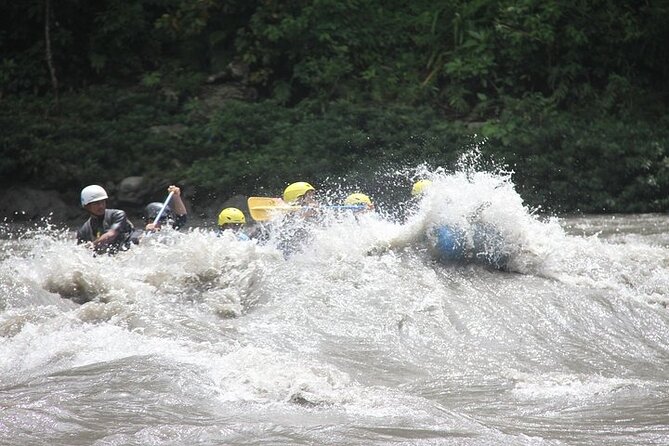
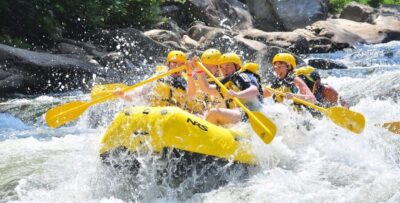
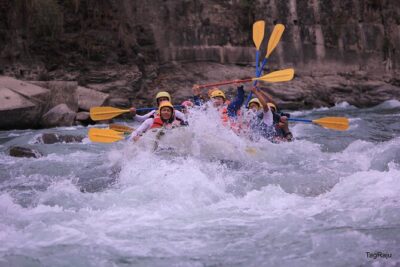
The Bhote Koshi is for a stronger rush. Its Class III to V rapids run through narrow gorges and demand more from the crew. This is not simply a faster version of the Trishuli. It is a more technical and intense outing, best suited to people with rafting experience or a high comfort level around rough water.
If you are unsure, choose the Trishuli. A moderate river still gives you spray, teamwork, scenery, and rapids, but with fewer demands on balance and timing. If you already know you enjoy hard white water, the Bhote Koshi is the more fitting choice.
The available information presents both river options within the same experience, so confirm the exact river when booking. The price and duration may be similar, but the physical demands are not.
The drive to Charaudi and Sukute
For the Trishuli trip, the road leads to Charaudi, the put-in point for the rafting section. For the Bhote Koshi trip, you drive toward Sukute. The journey gives you broad views of Nepal’s hills and valleys, but road quality is part of the bargain.
You can choose private transport or public or tourist bus service, with tourist buses used when available. The private option costs more, but it can be worth it if you value comfort, flexibility, or a predictable start. A shared bus keeps the listed price attractive, though the experience may be less polished.
One account describes a Bhote Koshi drive of about two and a half hours. Another day took roughly four hours to reach the river, and a poor public bus journey took more than five hours. These times are not guarantees, but they show why you should allow plenty of room in your schedule.
Road construction has affected routes in Nepal, and traffic can add more time. The drive is not dead time, since the hills and valleys provide changing views, but you should not imagine a quick transfer followed by a long river session.
What happens at the river
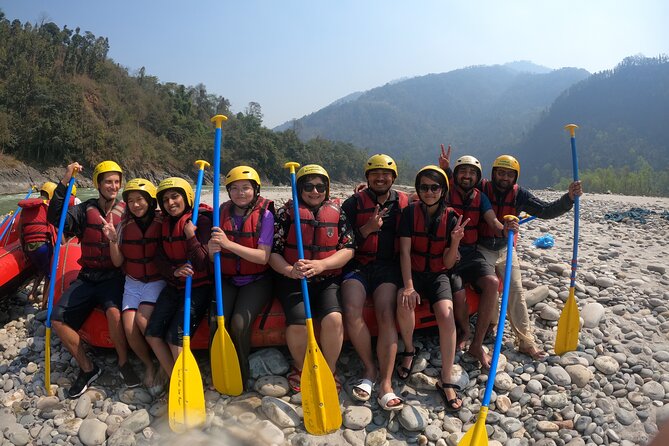
Once you reach Charaudi or Sukute, the guides give you a safety briefing before you enter the water. This is an important part of the day, not a formality. You need clear instructions on how to sit, paddle, respond to commands, and stay safe if the raft moves sharply through a rapid.
The experience includes rafting expenses and the necessary equipment. The guides are described as well trained, and the group size can reach a maximum of 15 people. A smaller group makes it easier to hear instructions and helps the river team keep track of everyone.
The actual time on the water can vary. One account describes more than two hours of rafting, while the itinerary gives about three hours for each river stop. Another account felt that the rafting section was too short. You should see the tour as a full day built around rafting, not as six or 12 uninterrupted hours in the boat.
That distinction is important when judging value. The road journey takes up much of the day, but it is the price of reaching the river from Kathmandu without spending several nights in a remote area.
Same river country, a completely different day on the water:
- 1 Night 2 Days Trishuli River Rafting Trip From Kathmandu With Private Car
★ 5.0 · 14 reviews - Pokhara: Seti River Rafting Adventure with Hotel Pickup
★ 5.0 · 5 reviews - Rafting Tour In Trishuli river
★ 4.0 · 5 reviews - 1 Day Trishuli Rafting from Pokhara
★ 5.0 · 4 reviews
Trishuli River: a friendly first run
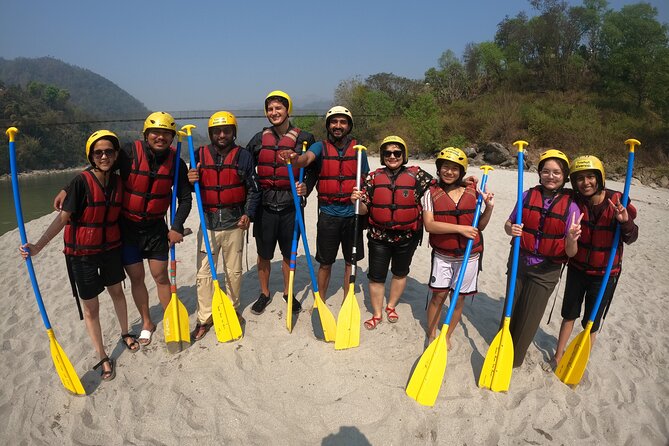
The Trishuli trip begins with the drive to Charaudi. After the safety briefing, you enter a river with moderate rapids and relatively warm water. The Class II and III sections offer enough movement to make paddling feel worthwhile, while still being approachable for beginners with a reasonable level of fitness.
I would choose this option if you are rafting for the first time, traveling with a mixed-experience group, or want an active day that does not dominate the rest of your Nepal trip. The river’s flow allows rafting in most seasons, though the operator can cancel or reschedule if weather makes conditions unsuitable.
The scenery is a major part of the Trishuli experience. You pass through hilly country and valleys rather than spending the day beside city roads. The clear water and open views help make the river feel like a real break from Kathmandu.
The drawback is that the rapids may feel too mild if you have extensive white-water experience. The Trishuli is designed as a moderate adventure, not an extreme test. That is exactly why it works for many people, but it also sets a limit on the level of excitement.
Bhote Koshi: harder water and a longer day
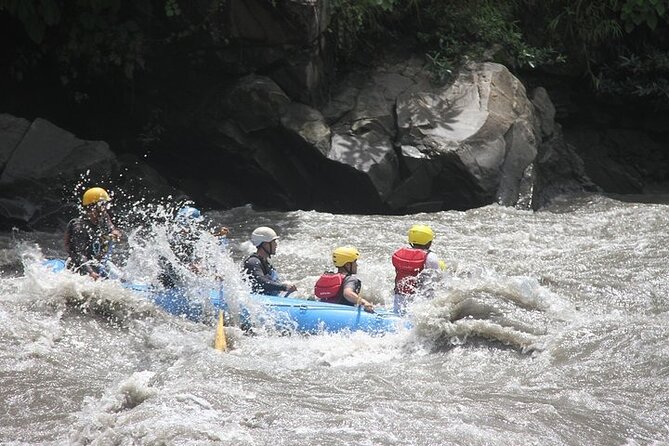
The Bhote Koshi begins with a drive to Sukute and a briefing before you take on the river. The rapids range from Class III to V, with narrow gorges and powerful water adding to the pressure.
This is the trip for you if you already have rafting experience or are specifically seeking a high-adrenaline day. The river requires more focus from every person in the boat. You should take the safety instructions seriously and be honest about your fitness and comfort level before selecting it.
The road to the Bhote Koshi adds its own endurance test. A two-and-a-half-hour drive has been reported, but traffic and road conditions can make the journey longer. Some operators fill empty seats with staff during quieter periods, which can help keep the raft properly crewed, but the exact group makeup will vary.
The Bhote Koshi is not the sensible pick for a nervous first-timer simply because it appears on the same booking page as the Trishuli. Ask for the river’s current difficulty and make sure the option matches your experience.
Lunch, gear, and the practical package
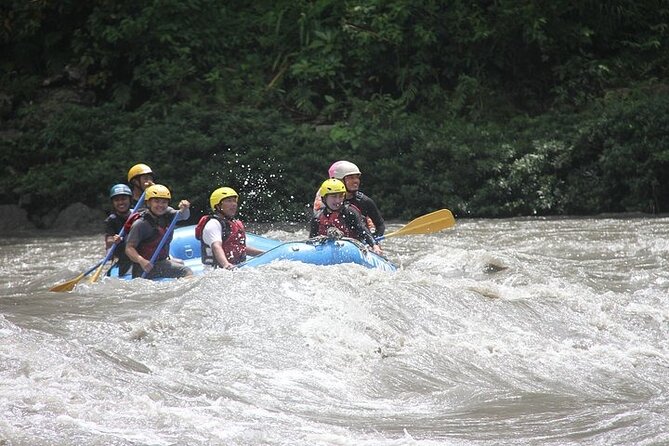
A typical Nepali lunch is included. That matters because the rafting sites are not presented as places where you should expect to arrange your own meal. The lunch adds a welcome pause after the river session and keeps the day from becoming a series of transfers with no proper break.
Personal expenses are not included. Bring money for anything beyond the stated package, such as extra food, shopping, or other personal needs. Travel insurance is also your responsibility.
The package includes rafting gear and transport from the ending point back toward the starting area. You should still pay attention to what you carry. The equipment and personal belongings are managed as part of the day, but the safest approach is to bring only what you need for the outing.
Hotel pickup and drop-off are offered, including pickup in the Thamel area. This removes one of the annoying parts of a day trip: finding the departure point before dawn and locating a ride home afterward.
Safety, fitness, and group size
You need a moderate level of physical fitness. Rafting involves paddling, staying balanced, listening to commands, and handling a wet, active environment. The Trishuli is easier for beginners, but it is still not a passive sightseeing cruise.
The safety briefing comes before the rafting, and the guides oversee the river session. Service animals are allowed, and the activity is near public transportation, though those details do not change the physical demands of the river.
The maximum group size is 15 people. That is a useful middle ground. You get the social feel of a group outing, but the boat should not feel like a huge mass-tour operation. The final group may be smaller, especially outside the main season.
Weather can affect the trip. If poor weather forces cancellation, you are offered another date or a full refund. You can cancel for a full refund if you do so at least 24 hours before the start time. Changes or cancellations inside that window are not accepted for a refund.
Is the $90 price fair?
I see the $90 price as fair if you use the included transport and meal. Organizing the same day independently would mean finding a vehicle to the river, arranging the rafting company, securing equipment, buying lunch, and finding transport from the finish. The package removes those moving parts.
The value depends heavily on transportation. A private vehicle should make the day more comfortable and may reduce the frustration caused by crowded public buses. If the private option costs extra, compare that charge with the value of your time and energy, not just the headline price.
The amount of rafting time also matters. You are paying for a full day away from Kathmandu, but the drive takes a large share of it. If you want hours and hours on the river, this may feel expensive. If you want a manageable Kathmandu day trip that includes scenery, lunch, equipment, guides, and return transport, the calculation is more favorable.
Who should book this rafting day?
Choose the Trishuli if you want your first rafting experience, moderate rapids, warm water, and a straightforward day outside Kathmandu. It also suits a group with mixed abilities, provided everyone can handle moderate physical activity.
Choose the Bhote Koshi if you want harder rapids and already have suitable experience. Its Class III to V rating makes it a poor match for anyone looking for a gentle introduction.
I would also think carefully about your transport choice. The strongest positive points are the river scenery, capable river staff, organized pickup, protected belongings, lunch, and smooth handling on some departures. The clearest weakness is inconsistent road transport, especially on crowded public buses.
Should you book it?
Book this experience if you want a convenient rafting day from Kathmandu and you accept that the road journey may be long. The Trishuli is the safer recommendation for most people, while the Bhote Koshi is the better pick for experienced rafters chasing stronger rapids.
Before paying, confirm the exact river, transport type, expected departure time, and likely time on the water. Choose private transport if you can afford it and your schedule is tight. With those points settled, the tour offers a useful mix of Nepalese scenery, river action, lunch, guides, and simple return logistics.
FAQ
Where does the rafting take place?
The experience offers rafting on the Trishuli River, starting near Charaudi, or on the Bhote Koshi River, starting near Sukute.
How difficult is the Trishuli rafting?
The Trishuli has Class II and III rapids, making it suitable for beginners and people seeking a moderate rafting experience.
How difficult is the Bhote Koshi rafting?
The Bhote Koshi has Class III to V rapids and is intended for experienced rafters and people seeking a high-adrenaline outing.
Is transportation from Kathmandu included?
Yes. Hotel pickup and drop-off are included, along with transportation to the river and transport from the ending point back toward the starting area.
Can I choose private transportation?
Yes. You can choose private transportation or public or tourist bus transportation, with tourist buses used when available.
Is lunch included?
Yes. A typical Nepali lunch is included in the experience.
Can I cancel for a full refund?
Yes. You can cancel at least 24 hours before the start time for a full refund. Poor weather cancellations may result in a different date or a full refund.
Just added around Nepal
- White Water River Rafting – 1 Day★ 4.3 · 3 reviews
- 1 Day Trishuli Rafting from Pokhara★ 5.0 · 4 reviews
- Paragliding Trip with River Rafting★ 5.0 · 2 reviews
- 1 Day Rafting Upper Seti River★ 4.5 · 2 reviews
- 1 day Trishuli river rafting★ 5.0 · 2 reviews
- Trishuli Rafting★ 5.0 · 4 reviews
- Kathmandu Pokhara & Chitwan Tour with Rafting -8 Days★ 5.0 · 2 reviews
- A Day Rafting Tour to TRISHULI RIVER★ 3.5 · 3 reviews
Kathmandu Rafting Tours, compared.
Himalayan White Water Rafting Day Trip from Kathmandu
Read our review →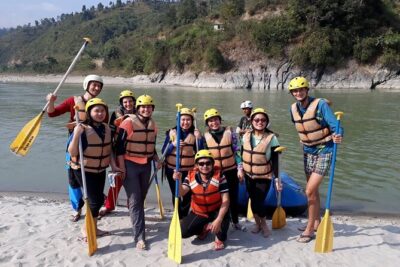
1 Night 2 Days Trishuli River Rafting Trip From Kathmandu With Private Car
Read our review →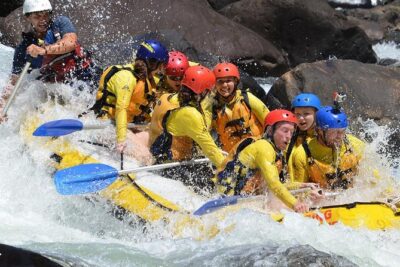
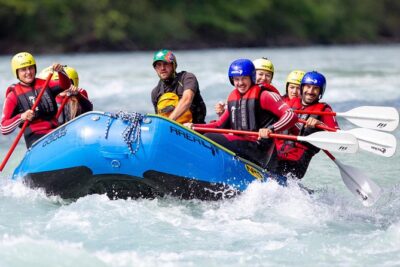
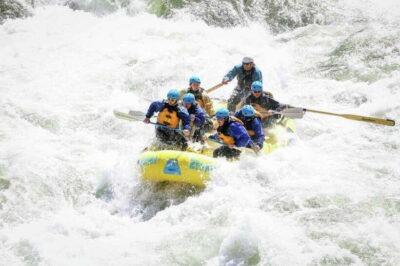
Beginner-Friendly Rafting Adventure on the Trishuli River
Read our review →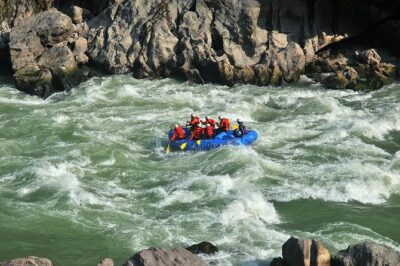
Trishuli River Rafting Day Trip From Kathmandu by Private Car
Read our review →Browse the lists this tour appears in