
REVIEW · NEW ZEALAND
Wanaka: Full-Day Guided Packrafting Tour with Lunch
The best part of this trip is the setting: you paddle the Matukituki River beneath snow-capped peaks, glaciers, and waterfalls inside Mount Aspiring National Park. It is not just a rafting outing. You begin with a mountain drive and short walk, then spend several hours learning to handle a sturdy inflatable packraft.
I like the small, personal feel of packrafting, where you paddle, steer, and feel the river move beneath you. I also like the useful mix of action and quiet time, from wave trains and eddies to a riverside lunch and a swim in clear, cold water. The main catch is simple: you must be able to swim, and cold water, rocks, changing conditions, and capsizing are real risks.
Key points to know before booking
- The Matukituki River is the star: Paddle beneath glaciers, waterfalls, and the peaks of Mount Aspiring National Park.
- Your day includes more than rafting: A scenic one-hour drive and a 20-minute walk to a waterfall help make the journey feel like a full mountain outing.
- The guides teach you properly: Sue and Kaylie lead the trip with a safety briefing and paddle instruction before you enter the river.
- Lunch comes beside the river: The 30-minute picnic break gives you time to warm up, eat, and enjoy the surroundings.
- Swimming ability is required: You may encounter cold water, a flipped raft, rocks, logs, and other natural hazards.
- Pack for changing temperatures: Bring swimwear, thermal clothing, a towel, dry clothes, socks, sports shoes, sunglasses, and a refillable water bottle.
A mountain day that happens to include a raft
This seven-hour outing begins outside the Lake Wanaka i-SITE at 99 Ardmore Street. From there, a shuttle carries you for about an hour into the Matukituki Valley. That drive matters. You are not being dropped at a generic river launch. The approach takes you beneath the mountains, glaciers, and waterfalls that make this corner of the South Island so memorable.
The trip then shifts from vehicle to foot for a 20-minute walk in Mount Aspiring National Park. One recent outing included a walk through a lush sheep station and a stop at a striking waterfall. The exact feel of the walk depends on the day and conditions, but it gives you a chance to see the river valley from land before putting on your equipment.
After another short van transfer of about 10 minutes, you reach the main activity area. The schedule allows about 30 minutes for a break, changing, safety instructions, and paddle practice. This is a useful part of the day, not filler. Packrafts are stable and forgiving, but you still need to understand how to steer, stop, move into an eddy, and respond if the boat tips.
More river days with lunch in New Zealand:
- Antalya: Ziplining, Rafting, Jeep Tour & Quad Safari w/Lunch
★ 4.6 · 3,260 reviews - Bali: Ayung River Guided Rafting Adventure with Lunch
★ 4.7 · 2,289 reviews - Alanya: Rafting, Zipline, Quad, Buggy, Jeep Tour with Lunch
★ 4.6 · 1,561 reviews
Why packrafting feels different from ordinary rafting
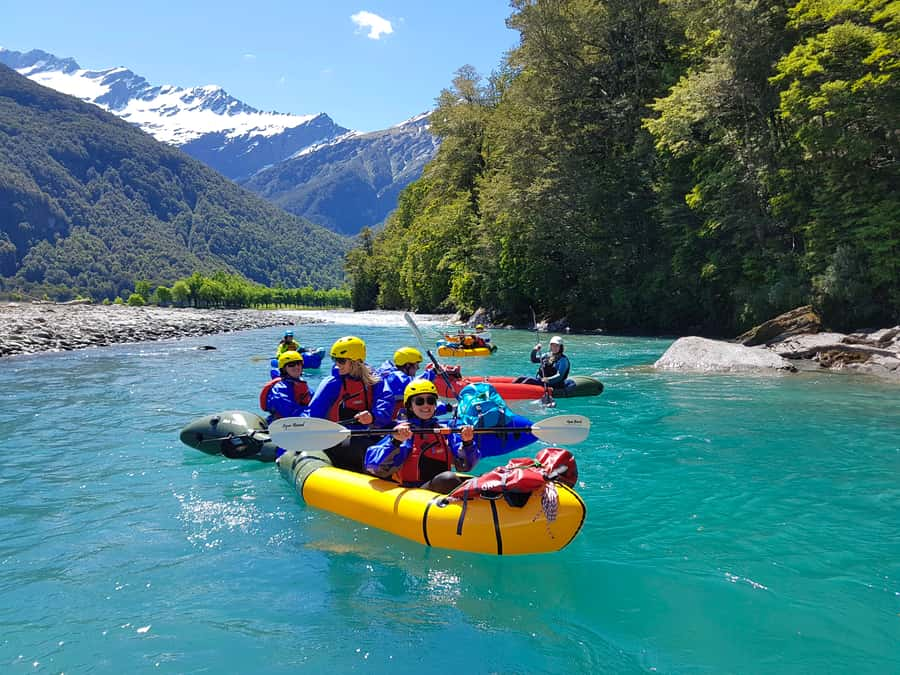
A packraft is a small inflatable boat designed for one person. You hold your own paddle and have a direct role in guiding the boat. That makes this experience more active than sitting in a large raft while a guide handles the route.
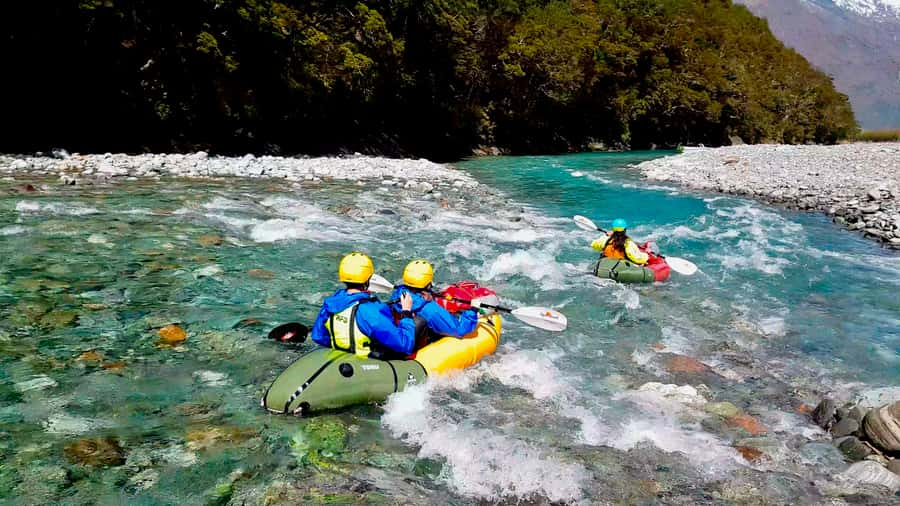
The boats are described as strong and stable, which helps first-time paddlers settle in. Still, you are not simply along for the ride. You will work your paddle through gentle stretches, guide yourself toward calm eddies, and ride sections of faster water called wave trains.
That hands-on quality is one of the strongest reasons to choose this trip. You get instruction before entering the river, then build confidence as the day continues. By the end, the aim is for you to paddle with much more control than you had at the start.
The river also supplies natural variety. Some stretches are active and splashy. Others let you float with the current and look up at the surrounding peaks. You get both the small-scale pleasure of handling your boat and the wide mountain views that make the Matukituki special.
The first river run beneath Mount Aspiring
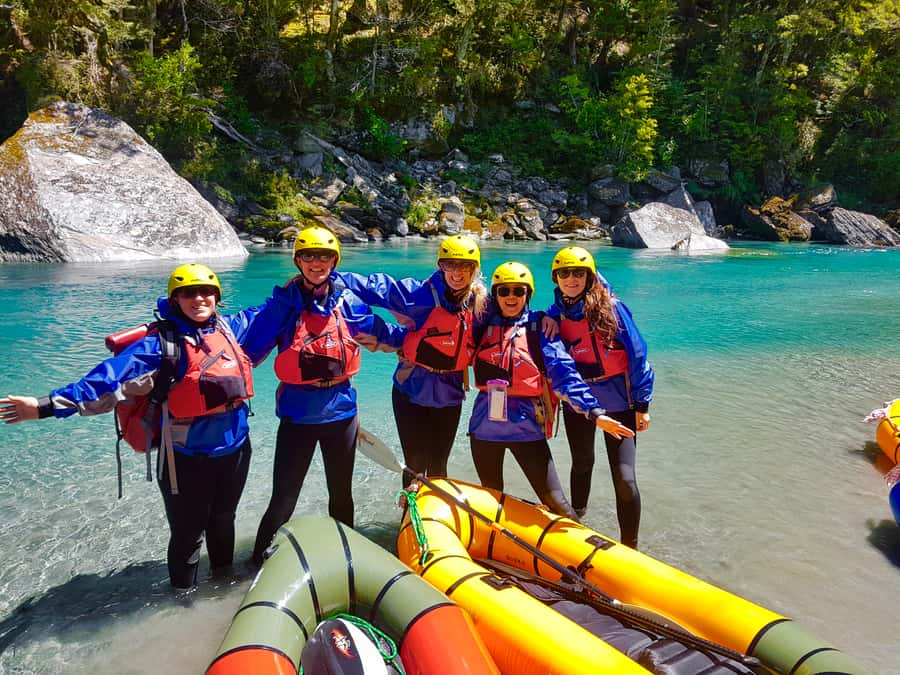
The first rafting section lasts about two hours. After the safety briefing, you suit up in the provided wetsuit, booties, spray jacket, helmet, and personal flotation device. The operator also supplies the packraft and paddle, so you do not need to bring technical river gear.
This first stretch is where the instruction becomes practical. You will likely spend part of the time testing your steering and learning how the boat reacts to your paddle strokes. You can expect wave trains, calmer eddies, and stretches where the current carries you along.
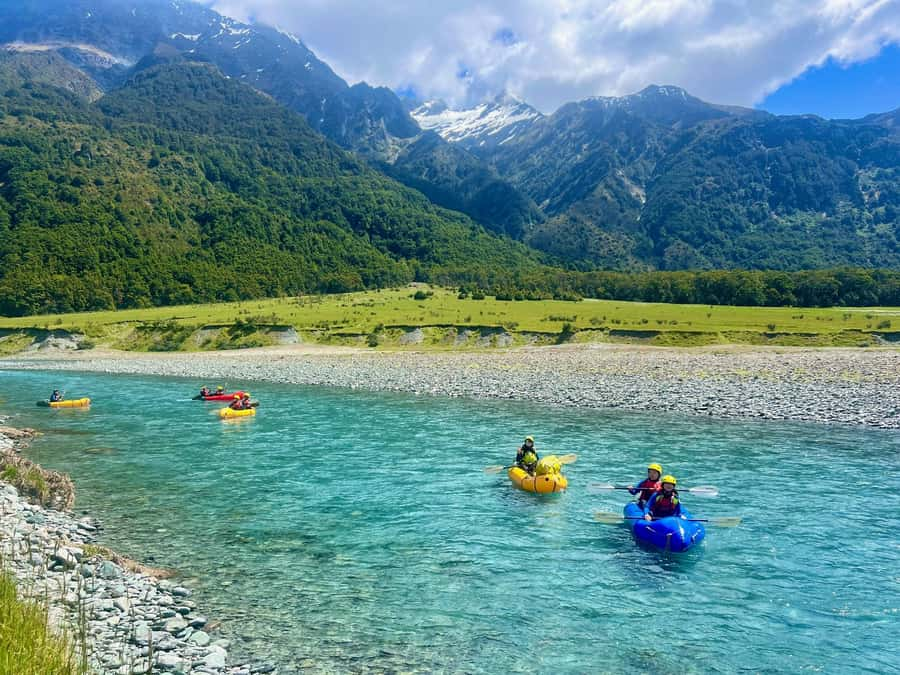
The scenery is the constant companion. You are paddling below snow-capped mountains and glaciers, with waterfalls and the rough contours of the national park around you. A river trip can sometimes limit your view to the next bend. Here, the larger valley gives the outing a strong sense of place.
The water is also a factor. Glacial rivers are cold, even on a sunny day. The wetsuit helps, but you should still bring thermal clothing and dry clothes for after the activity. You should also expect wet hands, splashes, and the possibility of getting fully soaked if your packraft flips.
A riverside lunch, not a rushed snack
Lunch lasts about 30 minutes on the riverbank. The meal is included, but drinks are not, so bring a reusable water bottle. A riverside break gives you time to put down the paddle, eat, and take in the valley without trying to balance food inside a moving boat.
I like this pause because it breaks the day into manageable sections. You are active before lunch, then get a proper rest before returning to the water. If you are new to paddling, this matters. Seven hours is a long outing, and a planned meal makes the pace easier to handle.
The lunch stop also gives you a chance to assess your comfort. If you are cold, you can add a layer before the second river section. If your footwear or clothing needs adjusting, this is the sensible time to do it.
More full-day adventures in New Zealand:
- The Awesome Scenic Rafting Adventure – Full Day Rafting on the Rangitikei River
★ 5.0 · 38 reviews - Browns Canyon Full Day Rafting Adventure
★ 5.0 · 825 reviews - Tully River Full-Day White Water Rafting
★ 5.0 · 669 reviews - Full Day Whitewater Adventure Trip with Included Lunch
★ 5.0 · 312 reviews
Swimming holes and the second 90-minute paddle
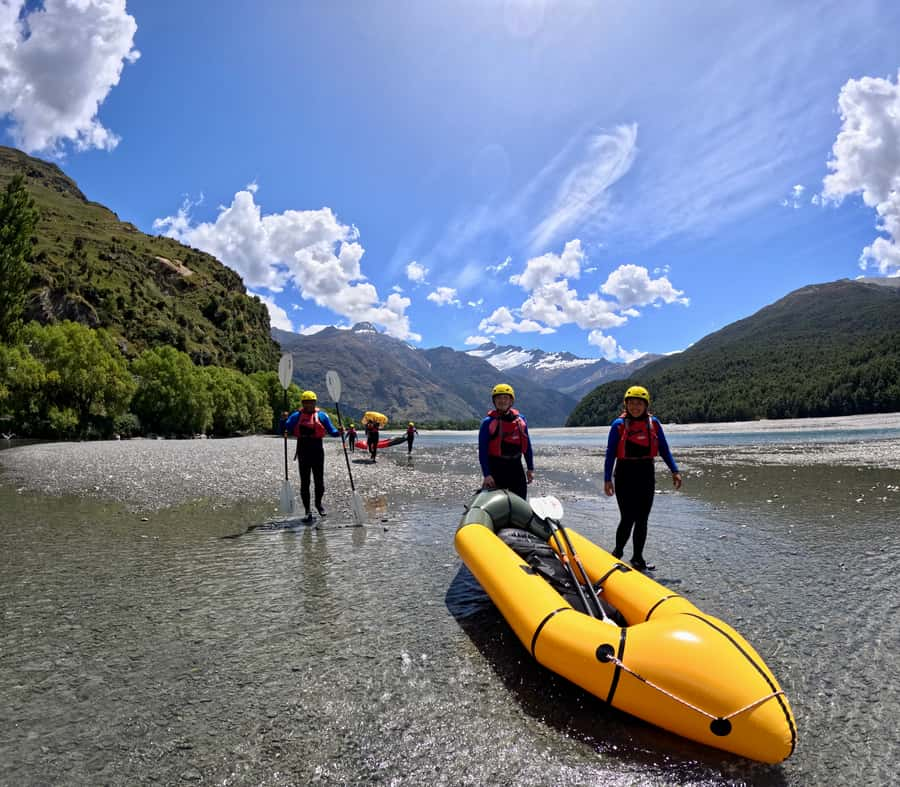
After lunch, you spend another hour and a half on the river. The second section includes calm turquoise swimming holes, so you can get into the water if conditions and the guide’s instructions allow it. One outing finished with an exhilarating swim in the fresh glacial river.
Do not treat the swimming as a warm, relaxed pool stop. The water is cold, and the ability to swim is a firm requirement for joining the trip. Packrafting involves the possibility of being submerged, so you need to be comfortable in moving, cold water rather than merely able to stand in a shallow pool.
The second run is also when the earlier instruction starts to pay off. You have already learned the basics, and you can expect to feel more settled in the boat. The stated goal is that you finish paddling with real confidence, rather than spending the entire trip trying to work out which way the raft is pointing.
After the river time, you return by van for about an hour to the Lake Wanaka meeting point. The long return drive is part of the seven-hour total, so do not plan another demanding activity immediately afterward.
The guides and the value of instruction
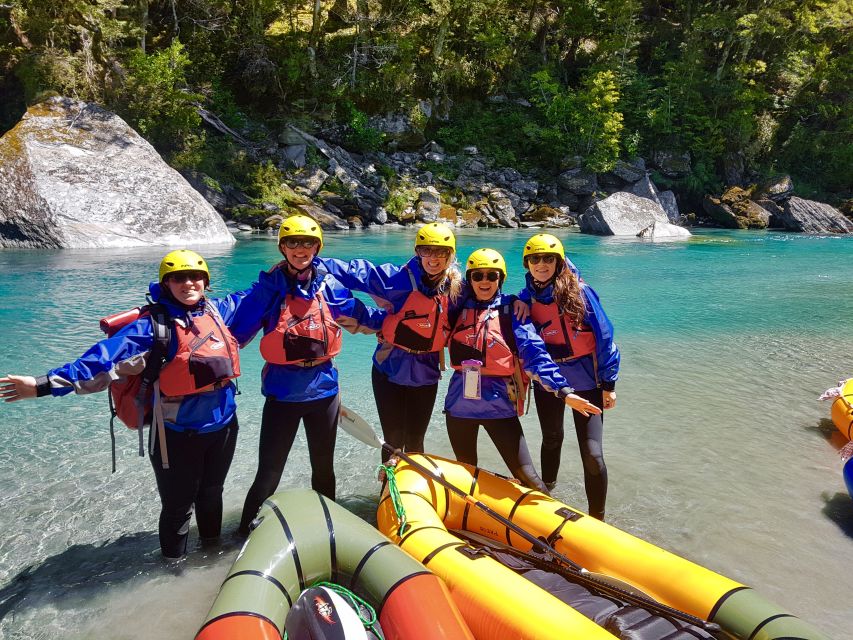
The tour is led in English, and Sue and Kaylie have been specifically praised for their friendly approach and clear guidance. Their role is important because packrafting requires more participation than a standard scenic float.
You receive a safety briefing and paddle tuition before setting out. The guides also help you read the river, manage the equipment, and understand the hazards around rocks, banks, logs, overhanging branches, and uneven ground. Conditions on a mountain river can change, so listen closely even if you have paddled before.
The high rating of 4.9 from 13 reviews points to a consistently strong experience, but the useful detail is what people valued: enthusiastic guides, strong scenery, a waterfall walk, a tasty lunch, and the final cold-water swim. Those details give you a clearer picture than a simple rating does.
This is a good trip for someone who wants guidance without giving up the feeling of doing the activity themselves. You are not expected to arrive as an expert. You are expected to listen, paddle, and take responsibility for your own position on the river.
What the $256 price includes
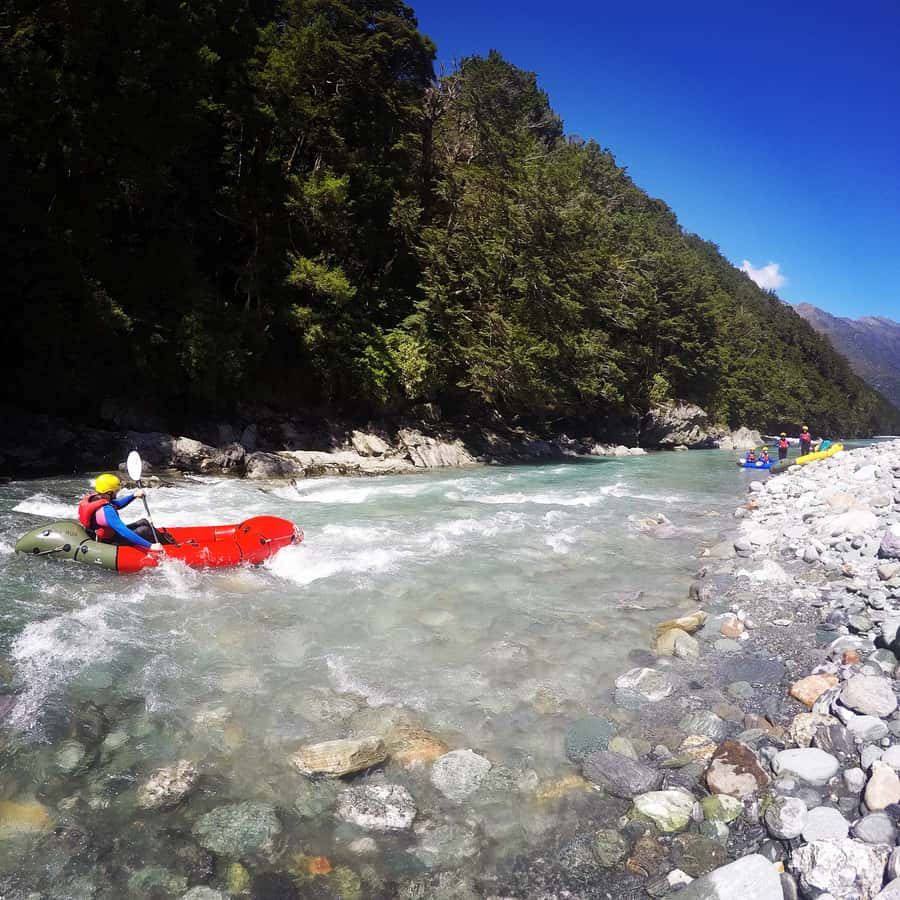
The listed price is $256 per person. That is not a budget half-day outing, but the value is easier to judge when you count what is included: a full seven-hour schedule, transport from Wanaka and back, a guided trip in Mount Aspiring National Park, the waterfall walk, all paddling equipment, protective clothing, and lunch.
The included gear is a real saving. You receive a wetsuit, booties, spray jacket, helmet, personal flotation device, packraft, and paddle. You only need to supply personal items such as swimwear, thermal layers, footwear, a towel, and dry clothes.
The trip also gives you access to a remote river setting without arranging your own transport or equipment. That matters in the Matukituki Valley, where a self-guided version would require far more planning and river judgment.
The price makes the most sense if you want a full outdoor day rather than a short activity added between other Wanaka stops. If you are only looking for a quick scenic photo opportunity, this will feel too long and too active. If you want instruction, transport, gear, food, and several hours on the river, the package is more persuasive.
Who should book, and who should skip it
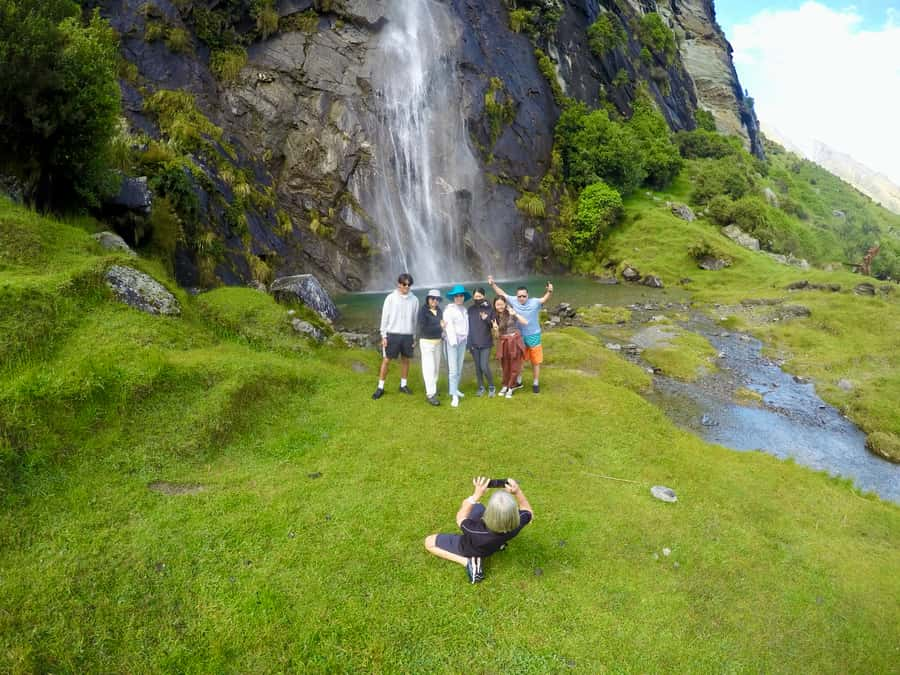
You should consider this trip if you enjoy active sightseeing, want to learn a new outdoor skill, and are happy to get wet. It suits adults and children aged 10 or older, provided they can swim and meet the physical demands of the activity.
It is not suitable for non-swimmers, pregnant women, people with back problems, or children under 10. You should also think carefully if cold water makes you anxious or if you prefer a quiet sightseeing day with no physical risk.
The safety information is direct for good reason. Packrafting can involve capsizing, cold-water exposure, hypothermia, impact with rocks, contact with trees or logs, slips on uneven ground, equipment failure, and drowning. Weather and river conditions can also affect the experience.
That does not make the trip a poor choice. It means you should book it with the right expectations. Follow the guides, wear the safety equipment, bring the clothing requested, and do not treat the river like a controlled amusement ride.
What to bring for a comfortable day
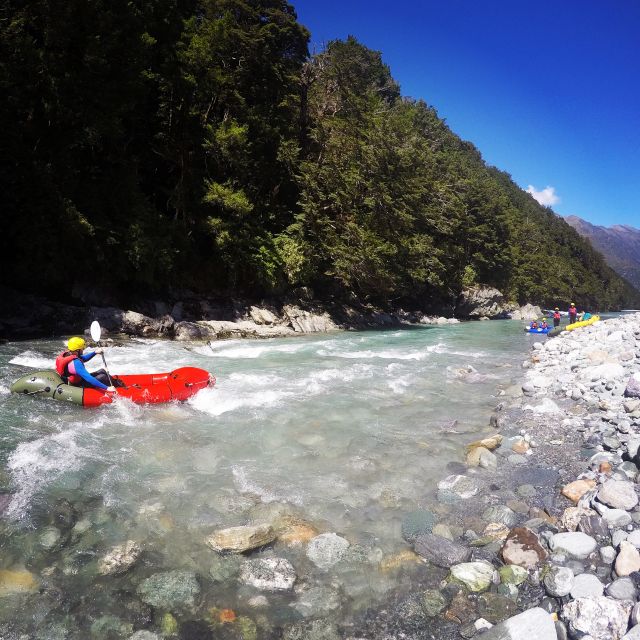
Use the packing list seriously. Bring swimwear for under the wetsuit, thermal clothing for warmth, sports shoes and socks, sunglasses, a towel, dry clothes, and a reusable water bottle. Drinks are not included, so your bottle is especially useful.
Your change of clothes should be easy to reach at the end of the activity. You will appreciate dry layers after several hours around cold water, even if the weather is mild.
Sports shoes are listed rather than casual sandals. That is practical for the walk, uneven ground, and riverbank. Keep your clothing simple and secure, since loose items are not ideal around moving water.
The operator supplies the main safety and paddling equipment. You do not need to bring a helmet, personal flotation device, packraft, paddle, wetsuit, booties, or spray jacket.
Booking advice and cancellation flexibility
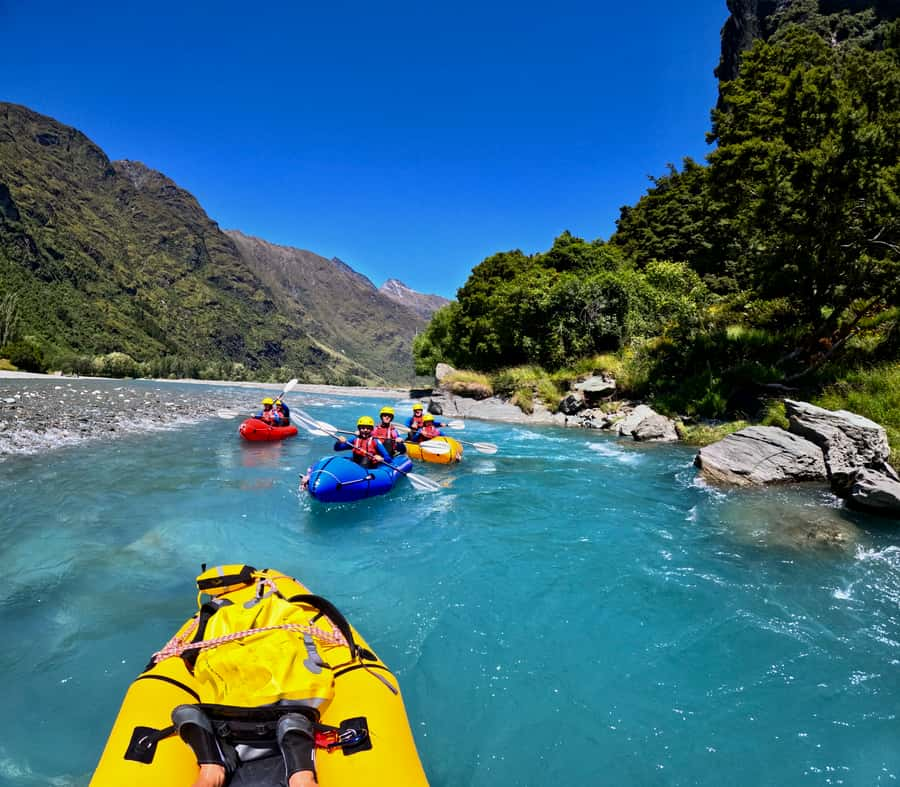
The shuttle leaves from outside the Lake Wanaka i-SITE, so arrive at the stated meeting point rather than expecting a hotel pickup. Starting times vary, and availability should be checked for your chosen date.
You can cancel up to 24 hours before the activity for a full refund. The reserve-now, pay-later option may help if your South Island plans are still shifting, especially since weather can affect outdoor plans.
The trip is conducted in English. You should also allow the full seven hours, including the drive into the valley, the walk, lunch, and the return journey.
Should you book the Matukituki packrafting tour?
Book it if you want one of Wanaka’s more active mountain days, not merely a view from the roadside. The combination of the Matukituki River, Mount Aspiring National Park, a waterfall walk, hands-on paddling, riverside lunch, and a cold swim gives the day real variety.
I would choose it for a fit swimmer who likes learning by doing and does not mind getting wet. Sue and Kaylie’s guiding, the supplied equipment, and the included transport make the logistics straightforward.
Skip it if you cannot swim, have a back problem, are pregnant, or want a low-risk sightseeing excursion. For the right person, though, the $256 price buys much more than river time. It buys a full day in a remarkable valley, with enough instruction to turn a first packrafting attempt into a genuine outdoor adventure.
FAQ
Where does the tour start?
The shuttle departs from outside the Lake Wanaka i-SITE at 99 Ardmore Street.
How long does the experience last?
The full experience lasts about seven hours, including transport, the walk, safety instruction, lunch, and river time.
Where does the packrafting take place?
The activity takes place on the Matukituki River in Mount Aspiring National Park.
How much time do I spend on the river?
The schedule includes about two hours of rafting before lunch and another one and a half hours afterward.
Is lunch included?
Yes. A 30-minute riverside picnic lunch is included. Drinks are not included.
Do I need to know how to packraft?
No. The guides provide paddle instruction and a safety briefing before you start.
Do I need to be able to swim?
Yes. You must be able to swim to join the trip.
What equipment is provided?
The tour provides a wetsuit, booties, spray jacket, helmet, personal flotation device, packraft, and paddle.
What should I bring?
Bring sunglasses, swimwear, a change of clothes, a towel, sports shoes, socks, thermal clothing, and a reusable water bottle.
Who should not join the activity?
The trip is not suitable for children under 10, pregnant women, people with back problems, or non-swimmers.
Just added around New Zealand
- Family Float Grade 2 Whitewater Adventure in Tongariro River★ 5.0 · 14 reviews
- RiverBug – the New Whitewater Adventure near Rotorua★ 5.0 · 2 reviews
- Rangitaiki River White Water Scenic Rafting from Rotorua★ 5.0 · 23 reviews
- Hanmer Springs Rafting and Quad Bike combo★ 5.0 · 14 reviews
- Black Water Rafting Semi Private Tour from Auckland★ 5.0 · 2 reviews
- Black Labyrinth: Black Water Rafting – Private Tour from Auckland★ 5.0 · 8 reviews
- Te Awa Kairangi Grade 2 Scenic Rafting Tour★ 4.8 · 10 reviews
- Rotorua: Tarawera River Raft and Kayak Adventure★ 5.0 · 2 reviews
New Zealand Rafting Tours, compared.
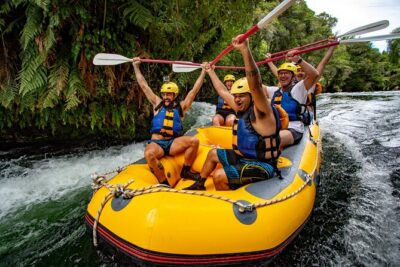
Rotorua Rafting: Kaituna River White Water Rafting & Free Sauna
Read our review →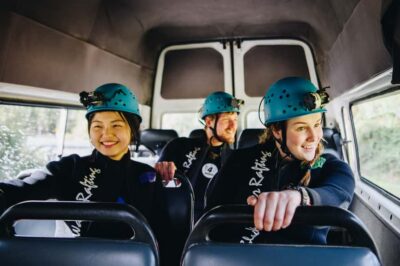
Waitomo Caves: Labyrinth Black Water Rafting Experience
Read our review →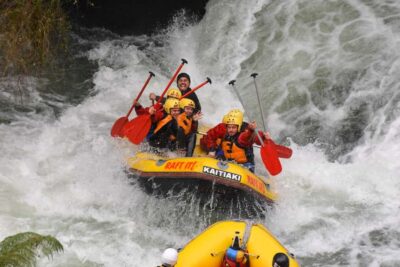
Rafting Rotorua: Kaituna River White Water Experience
Read our review →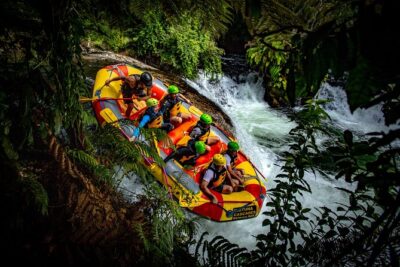
White Water Rafting – Kaituna Cascades, The Originals
Read our review →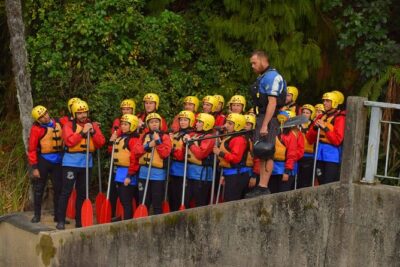
Rafting Rotorua Kaituna White Water Rafting | Kaitiaki Adventures
Read our review →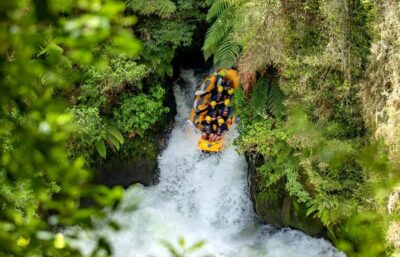
Rotorua Rafting: Kaituna River Rafting Experience-Free Sauna
Read our review →
Black Water Rafting Experience Waitomo Caves Tour
Read our review →Browse the lists this tour appears in