
REVIEW · NEW ZEALAND
Tongariro River: Grade 3 Whitewater Rafting
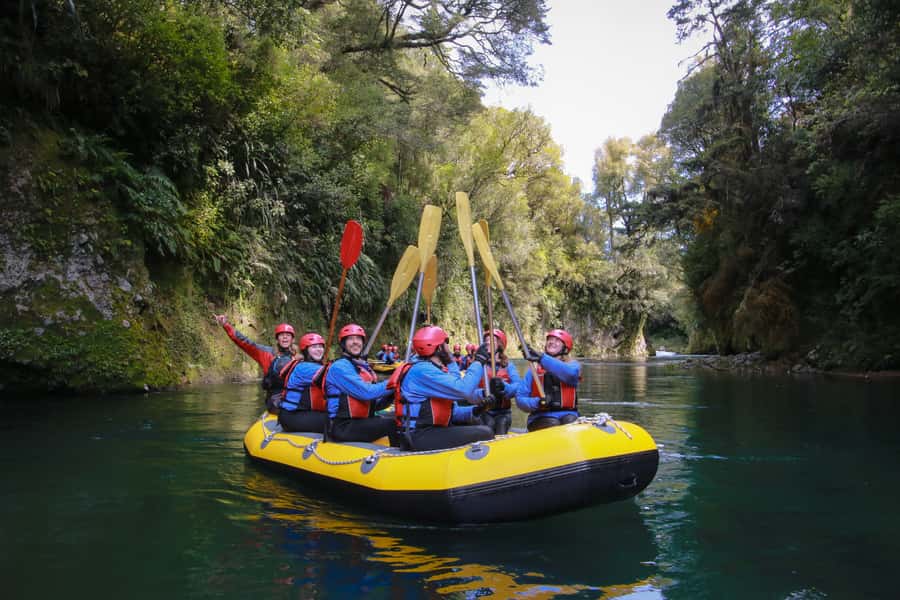
More than 60 rapids turn this four-hour Tongariro River trip into a proper adventure, yet Grade 3 water keeps it within reach for first-time rafters. I like the mix of fast, roller-coaster-style drops and quiet stretches through the upper river, where you get views unavailable from the road. I also like that you start and finish at the Turangi base, with transport, equipment, and safety instruction handled for you.
The main consideration is simple: this is an active water trip, not a scenic float. You need to paddle, follow directions, and be comfortable getting wet. Children under 11 cannot join, and those aged 11 or 12 need a responsible adult with them.
Key points before you book
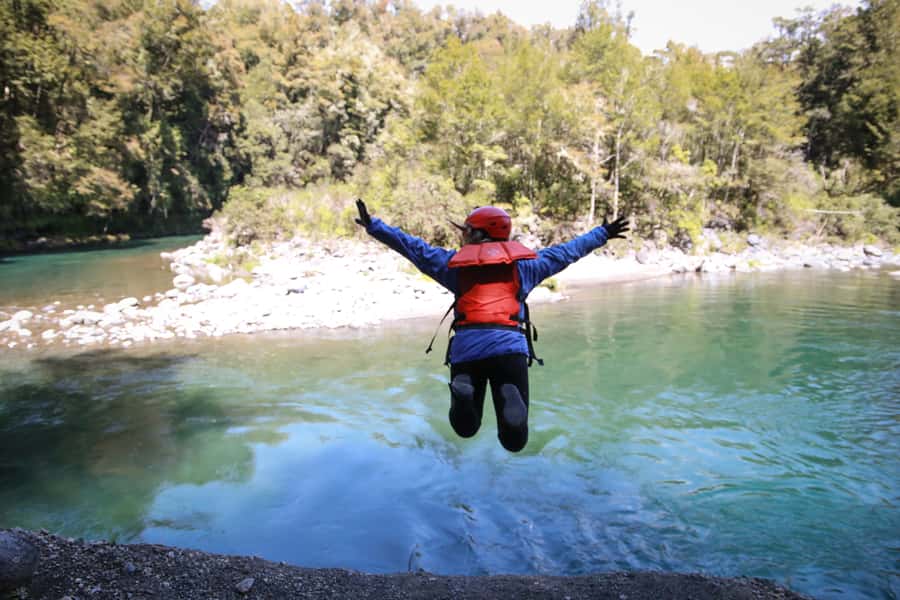
- More than 60 Grade 3 rapids: Expect a lively run with plenty of action, but one aimed at beginners and experienced rafters alike.
- Four hours from Turangi: The trip includes gearing up, a short bus ride, instruction, river time, and the return to base.
- Guides make the difference: Sarah and Fletcher are among the guides praised for clear communication, care, support, and strong group leadership.
- Upper Tongariro scenery: Rafting gives you access to river views that you cannot reach by simply driving past the area.
- Possible blue duck sighting: Keep watch for New Zealand’s rare blue duck in the river setting.
- Bring the basics: You need swimwear, a towel, and any personal medication. Digital photos are extra.
Why the Tongariro River makes a good rafting choice
The Tongariro River offers a useful middle ground. You get real whitewater and a long run of rapids, but the trip is graded for people who may be trying rafting for the first time. Grade 3 water can feel exciting without requiring you to arrive with technical rafting skills.
I like this kind of trip because the river does much of the entertaining. You are not waiting for one short stunt or one famous rapid. The action comes in a steady sequence, with more than 60 rapids spread through the run. That gives your group time to settle into paddling, work together, and gain confidence as the trip continues.
The setting adds another layer. The upper reaches of the Tongariro River provide scenery seen from water level, rather than from a car window or roadside lookout. You may also have the chance to see a rare blue duck, a species closely linked with clean, fast-flowing waterways. Wildlife sightings are never guaranteed, but it is worth keeping your eyes open between rapids.
The water is also the main reason to pack carefully. Bring swimwear rather than clothing you mind getting soaked, plus a towel for the end. You will be issued the needed rafting equipment, including a life jacket, but your personal items still matter.
More White Water Rafting in New Zealand
- Rotorua Rafting: Kaituna River White Water Rafting & Free Sauna
★ 5.0 · 1,952 reviews - Rafting Rotorua: Kaituna River White Water Experience
★ 4.9 · 1,274 reviews - White Water Rafting – Kaituna Cascades, The Originals
★ 5.0 · 1,274 reviews
Arriving at the Turangi rafting base
The meeting point is Tongariro River Rafting at 133 Atirau Road, Turangi 3353. Starting at the operator’s base keeps the day straightforward. You arrive, check in, receive your equipment, and prepare for the river without having to find a separate launch point.
The four-hour duration includes more than time spent paddling. Allow time to get fitted with the supplied gear, listen to the instructions, travel to the river start, complete the run, and return to base. Check the available start times when booking, since the exact departure time is not fixed in the information provided.
A short bus ride takes you from the base to the river’s starting point. That is a small but useful detail. You do not need to arrange your own transport between the meeting place and the water, and you finish back where you began.
Your guide leads the preparation from there. The safety briefing covers how to paddle and how to work as a raft team. Pay close attention even if you have rafted before. Group paddling only works when everyone responds to the same commands.
Getting ready for more than 60 rapids
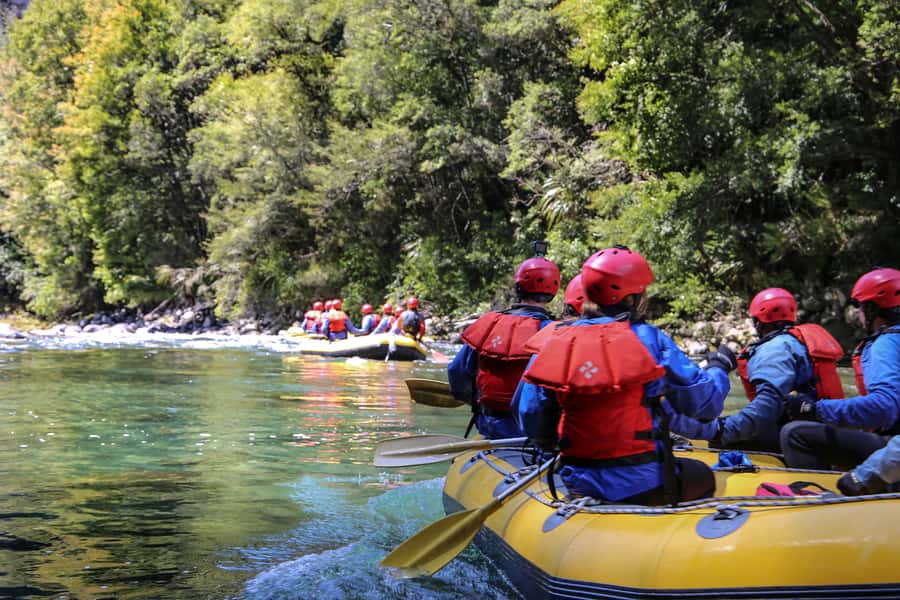
Before the raft reaches the first rapid, you receive a full safety briefing and paddling instruction. This is where you learn what the guide expects from you and how your group will move together through the water.
The trip is not a passive ride. You will be part of the crew, helping the raft respond to the current. That makes the experience more satisfying, but it also means you should be ready to listen and act when asked.
Guides such as Sarah and Fletcher have been praised for communication, reassurance, and keeping people involved as a team. That matters most if you feel nervous before launch. A supportive guide can turn the first few rapids from an intimidating test into a series of manageable tasks.
I would tell a cautious beginner to think of the trip in stages. You do not need to feel completely confident before entering the water. Start by listening, keep your attention on the guide, and treat each rapid as one short section rather than worrying about the whole run at once.
The minimum age is 11. Children aged 11 and 12 must be accompanied by a responsible adult, and children under 11 are not suitable for this activity. The rules are clear, so families should check ages before booking.
What Grade 3 whitewater feels like
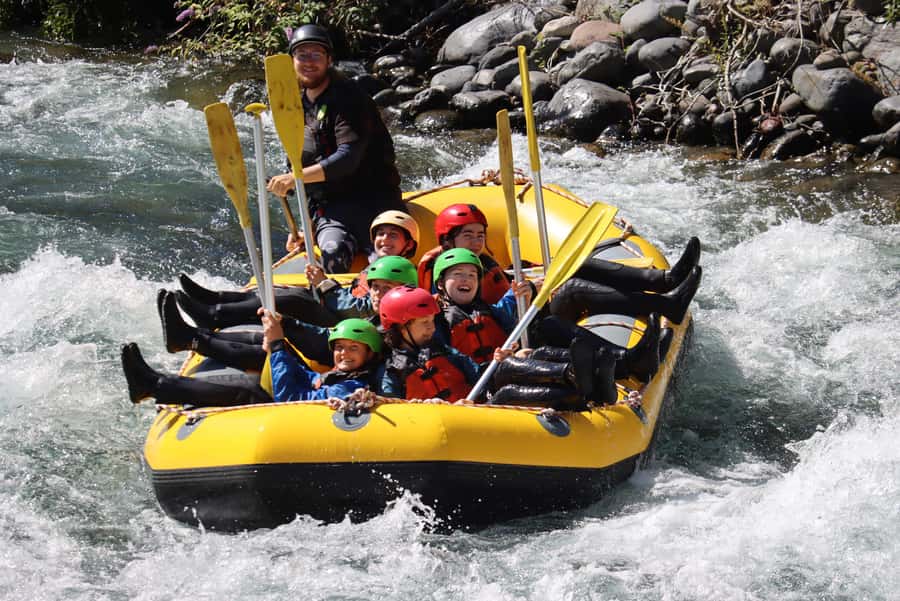
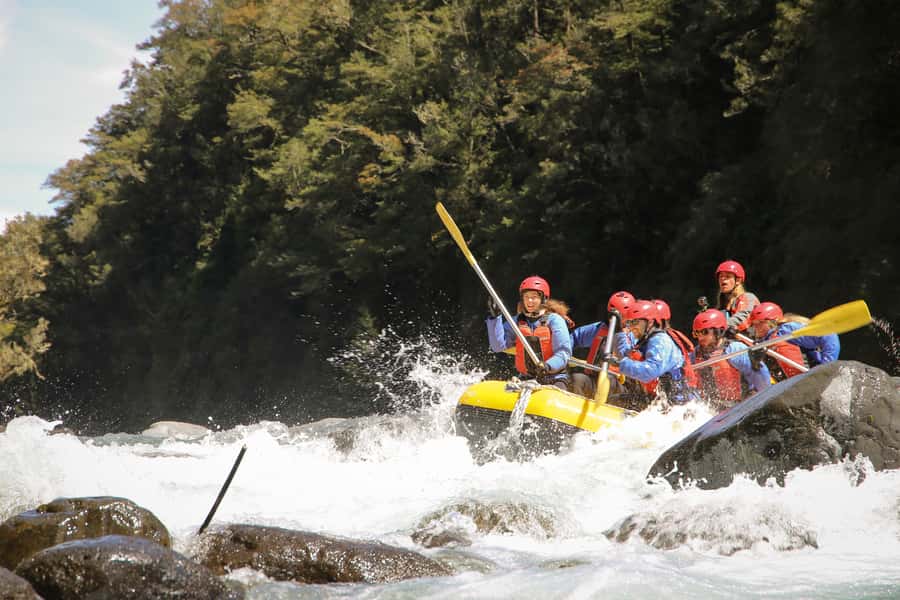
Grade 3 gives you noticeable whitewater, drops, turns, and waves, with enough movement to make the raft feel lively. The supplied description calls the rapids fun and heart-pounding, with a roller-coaster quality. That is a fair way to picture the pace, while remembering that water conditions can affect how any river feels on the day.
You can expect repeated bursts of action rather than one isolated challenge. After a rapid, there may be a calmer section where you can catch your breath, take in the river surroundings, and prepare for the next set.
The shared nature of the raft is part of the appeal. You and the rest of the group must paddle together. One person cannot carry the boat, so the guide’s instructions and everyone’s attention matter. This creates a real team activity, which is especially useful for families, friends, or work groups looking for something more involving than a sightseeing trip.
The trip can also suit a person who does not see themselves as a high-risk adventurer. One recent participant described feeling nervous beforehand, then gaining confidence during the run and wanting to repeat it. That does not mean the activity feels gentle. It means the guide support and Grade 3 format can make the challenge feel reachable.
Still, you should not book this expecting dry clothes or a quiet cruise. You will be exposed to moving water and physical activity. If you dislike getting wet, find active group tasks frustrating, or want to control your own pace, this may not be the right outing.
Same river country, a completely different day on the water:
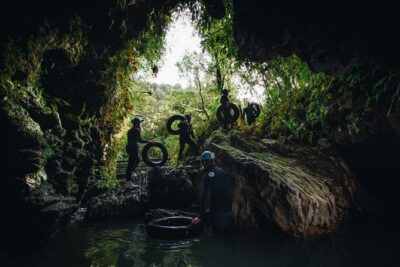
- Waitomo Caves: Labyrinth Black Water Rafting Experience
★ 4.9 · 1,673 reviews - Rafting Rotorua Kaituna White Water Rafting | Kaitiaki Adventures
★ 5.0 · 759 reviews - Rotorua Rafting: Kaituna River Rafting Experience-Free Sauna
★ 4.9 · 401 reviews - Kaituna River White Water Rafting from Rotorua
★ 5.0 · 388 reviews
The upper river and its wildlife chance
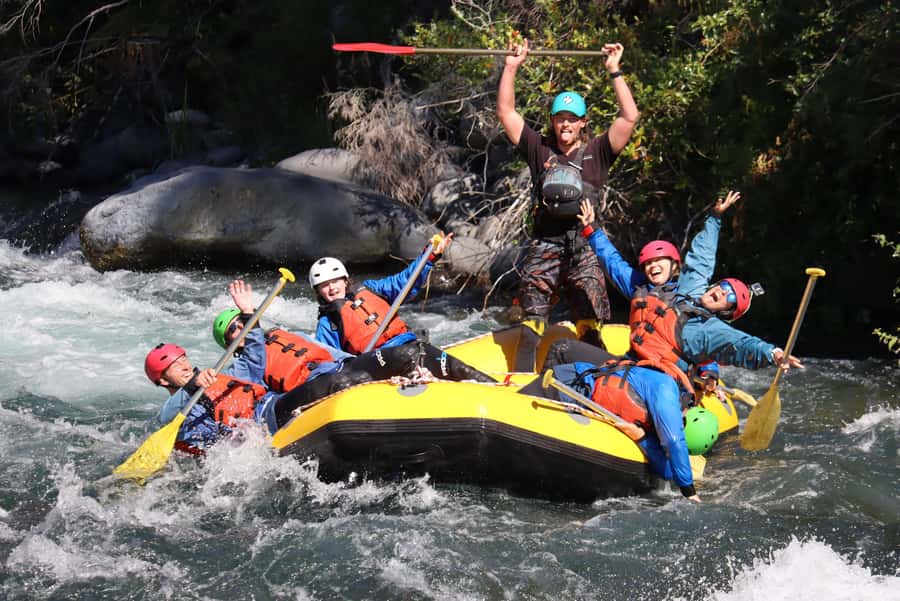
Between the rapids, look beyond the raft. The upper Tongariro River offers views that are accessible by water, giving the trip a sightseeing element that you would miss from the base or the road.
The chance to see a rare blue duck adds a worthwhile bit of anticipation. Keep your eyes open during calmer sections, especially when the guide is not calling out rapid instructions. The bird is not promised, so treat it as a possible bonus rather than a reason to expect a wildlife tour.
Rain or hail does not necessarily stop the fun. One account describes enjoying the trip in wet weather, which makes sense for a rafting activity where you are already prepared to get wet. Even so, weather can affect how you feel on the day, so pack a towel and arrive ready for changing conditions.
The scenery is not separate from the adventure. You are seeing the river from inside it, with the banks and water movement changing as the raft travels. I like that balance: enough action to keep the trip exciting, plus quieter moments that give you time to notice where you are.
Guides, safety, and group teamwork
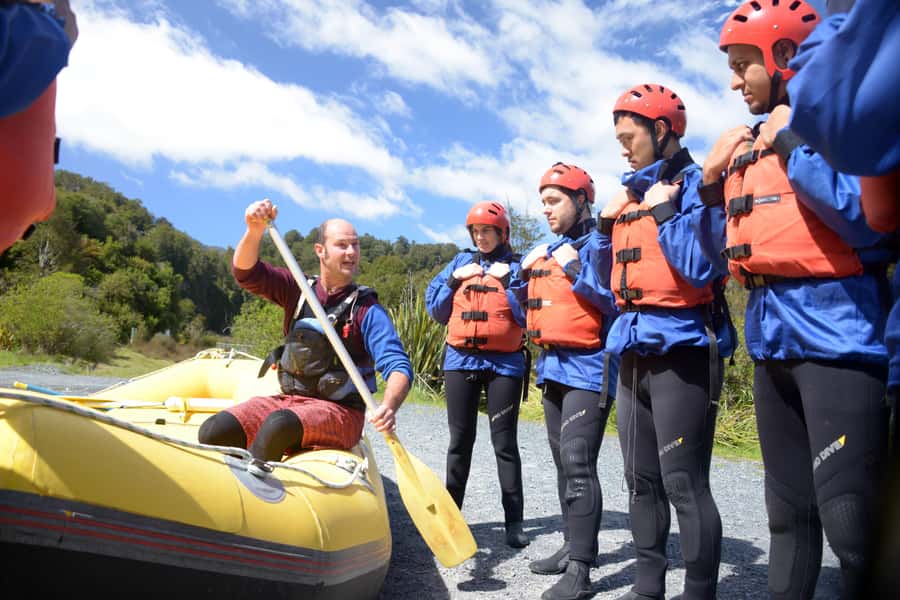
The guide is the key person on this trip. The equipment and river are important, but clear instructions make the experience work for beginners. Your guide handles the briefing, teaches the paddling basics, leads the raft, and helps the group stay coordinated.
The feedback around guides Sarah and Fletcher points to the qualities you want here: calm direction, care, attentiveness, and a friendly way of getting everyone to work together. Guide assignments can vary, so do not assume either person will lead your particular departure, but those names show the kind of support the operator aims to provide.
Safety is not just a formality before the fun begins. You should listen carefully, tell the guide about anything relevant to your ability to participate, and follow instructions throughout the run. Intoxication, alcohol, and drugs are not allowed.
Personal medication is especially important. Bring what you need with you. The operator states that arriving without personal medication might mean you cannot raft, so this is not a detail to leave until the last minute.
Is $112 good value for four hours?
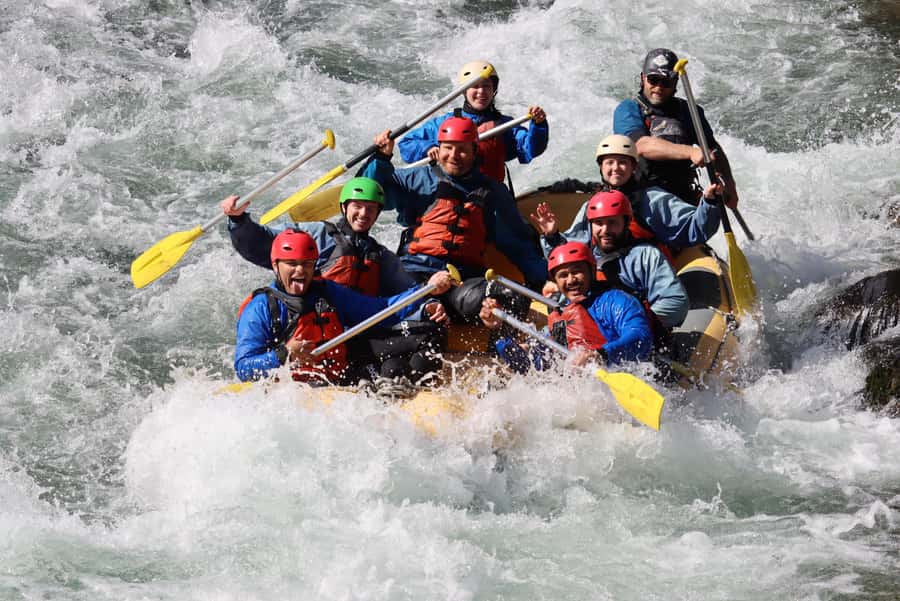
At $112 per person, the price is reasonable if you want a guided whitewater experience with the main practical pieces included. The fee covers an expert guide, necessary rafting equipment, a life jacket, the safety briefing, the transfer from the base to the river start, and the river activity itself.
You are paying for more than a seat in a raft. The operator supplies specialist equipment, organizes the route, handles the river logistics, and provides instruction for a group with mixed experience. For a first rafting trip, that convenience has real value.
The four-hour length also helps. This is not a quick introductory splash followed by a long wait. You have time for preparation, transport, the run itself, and the return to base. The number of rapids gives the activity a full feel, though the exact amount of time on moving water is not specified.
Digital photos are not included. You can check out images of the trip back at the base and purchase them separately if you want a record of the experience. If you are watching your budget, treat photos as optional rather than part of the $112 price.
Free cancellation up to 24 hours in advance and a reserve-now, pay-later option add flexibility. There is also a minimum group requirement, so the activity can be cancelled after confirmation if that number is not met. In that case, you are offered another date or a full refund.
Who will enjoy this rafting trip most
This trip suits you if you want active fun but do not have advanced rafting experience. Grade 3 rapids provide enough excitement to make the day memorable, while the guide-led format gives beginners a clear way into the sport.
It is a good match for:
- Adults and children aged 11 or older who meet the age rules
- Friends or families who enjoy shared challenges
- Groups that want a team activity
- Visitors who like scenery but do not want a purely passive tour
- Nervous beginners who appreciate patient instruction
- More experienced rafters looking for a lively Grade 3 run
You should think twice if you are seeking a calm float, dislike cold or wet conditions, or do not want to paddle as part of a group. The activity also does not suit anyone arriving intoxicated or without required personal medication.
The operator provides the necessary equipment, but you still need to bring swimwear and a towel. Pack medication in a way that keeps it available as required by the operator, and do not assume you can simply return to the base once the trip starts.
A practical plan for the day
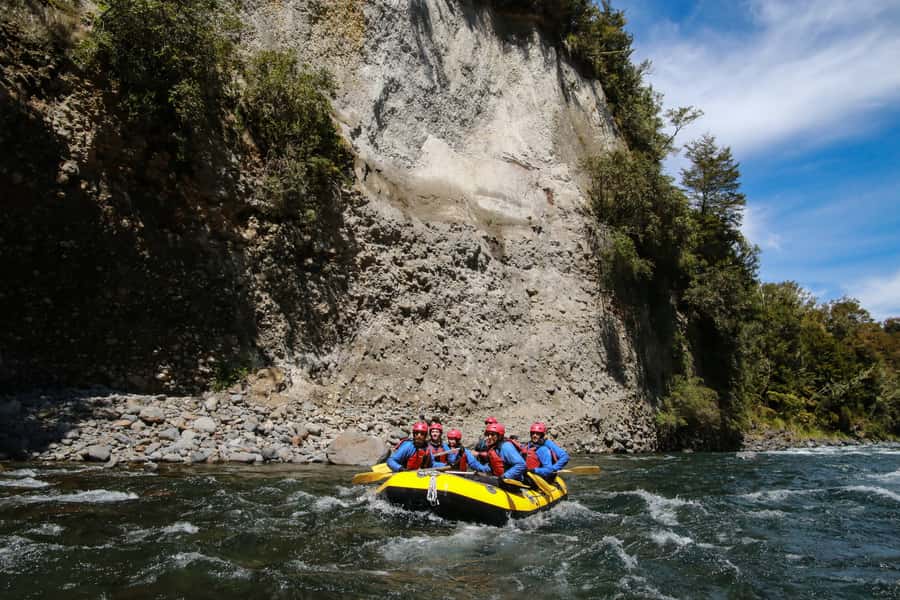
Wear swimwear and bring a towel. Keep your personal medication with you, and arrive ready to take part in a safety briefing before the river section begins.
At the Turangi base, you receive the required gear, including a life jacket. A short bus ride then takes you to the start of the river run. Your guide explains paddling and safety before the raft enters the Grade 3 water.
During the trip, expect more than 60 rapids, calmer stretches, river scenery, and a possible blue duck sighting. After the run, you return to the base, where you can view the available trip photos and decide if you want to buy digital copies.
English is the tour language. The experience lasts four hours, but you should check the available start times before booking so it fits your wider North Island plans.
Should you book the Tongariro River rafting trip?
I would book this if you want a well-supported first or intermediate whitewater experience with a strong mix of action and scenery. The combination of more than 60 Grade 3 rapids, expert instruction, upper-river views, and a possible rare blue duck sighting gives the trip more substance than a short amusement ride.
The best reason to choose it is the balance. You get real paddling and plenty of rapids, but you do not need to arrive as an expert. Just remember that you will get wet, work as part of a team, and need to follow safety directions closely.
At $112, the trip offers solid value for a guided four-hour outing with equipment and transport included. Book it if you are ready to trade a dry afternoon for moving water, shared effort, and a memorable run through the Tongariro River.
FAQ
Where does the Tongariro River rafting trip meet?
The meeting point is Tongariro River Rafting, 133 Atirau Road, Turangi 3353.
How long does the rafting experience last?
The activity lasts four hours. Check availability for the specific starting times.
How many rapids will I tackle?
You will navigate more than 60 rapids on the Tongariro River.
What grade are the rapids?
The trip uses Grade 3 rapids. They are suitable for both novice rafters and people with more experience.
Is equipment included?
Yes. Necessary rafting equipment, including a life jacket, is included. An expert guide and full safety briefing are also provided.
What should I bring?
Bring swimwear, a towel, and any personal medication you need.
Are digital photos included in the price?
No. Digital photos are available to purchase after the activity and are not included.
Can children join the rafting trip?
Children under 11 cannot join. Children aged 11 and 12 must be accompanied by a responsible adult.
Can I cancel the booking?
You can cancel up to 24 hours in advance for a full refund. The activity also offers a reserve-now, pay-later option, and a minimum number of participants is required for the trip to operate.
Just added around New Zealand
- Family Float Grade 2 Whitewater Adventure in Tongariro River★ 5.0 · 14 reviews
- RiverBug – the New Whitewater Adventure near Rotorua★ 5.0 · 2 reviews
- Rangitaiki River White Water Scenic Rafting from Rotorua★ 5.0 · 23 reviews
- Hanmer Springs Rafting and Quad Bike combo★ 5.0 · 14 reviews
- Black Water Rafting Semi Private Tour from Auckland★ 5.0 · 2 reviews
- Black Labyrinth: Black Water Rafting – Private Tour from Auckland★ 5.0 · 8 reviews
- Te Awa Kairangi Grade 2 Scenic Rafting Tour★ 4.8 · 10 reviews
- Rotorua: Tarawera River Raft and Kayak Adventure★ 5.0 · 2 reviews
New Zealand Rafting Tours, compared.
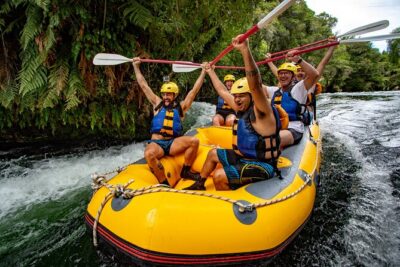
Rotorua Rafting: Kaituna River White Water Rafting & Free Sauna
Read our review →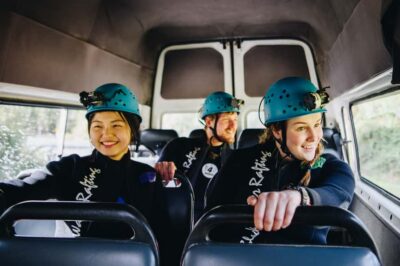
Waitomo Caves: Labyrinth Black Water Rafting Experience
Read our review →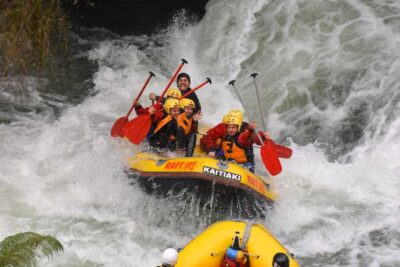
Rafting Rotorua: Kaituna River White Water Experience
Read our review →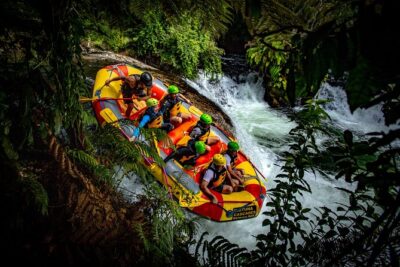
White Water Rafting – Kaituna Cascades, The Originals
Read our review →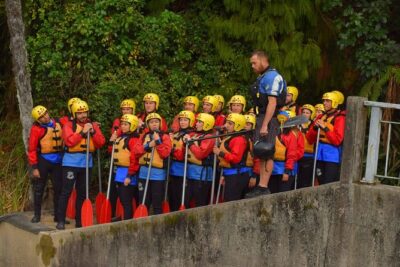
Rafting Rotorua Kaituna White Water Rafting | Kaitiaki Adventures
Read our review →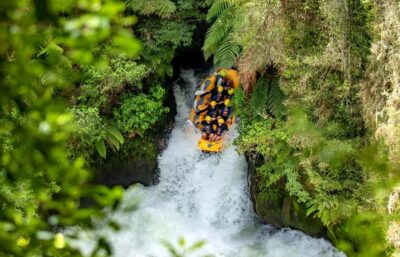
Rotorua Rafting: Kaituna River Rafting Experience-Free Sauna
Read our review →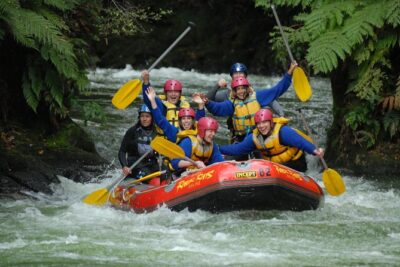
Black Water Rafting Experience Waitomo Caves Tour
Read our review →Browse the lists this tour appears in