
REVIEW · USA
Montana: Glacier National Park Whitewater Rafting Trip
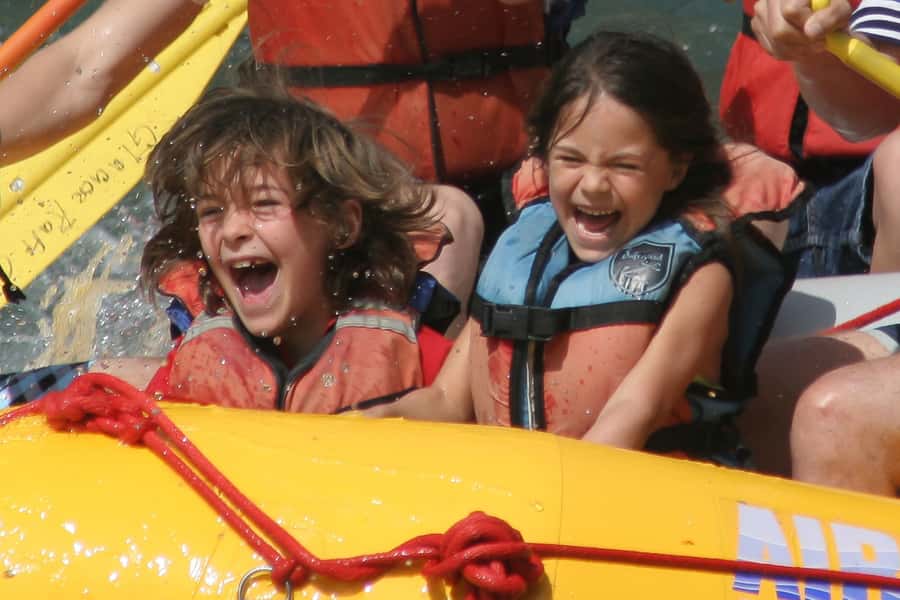
The most memorable part of this Glacier National Park rafting trip is the change of pace. You begin on a quiet four-mile stretch of the Middle Fork Flathead River, learning paddle commands and taking in the canyon, then reach nine Class II and III rapids in the second half. I like the gentle learning curve, and I like that guides such as Maddie, Paige, Wes, and Owen bring river ecology, wildlife, and local history into the ride.
The main thing to consider is water level. High summer flows can make the rapids more exciting, while late-season low water may turn parts of the trip into a scenic float. You still get the canyon and the clear river, but the whitewater can feel milder than expected.
Key Points to Know Before You Book
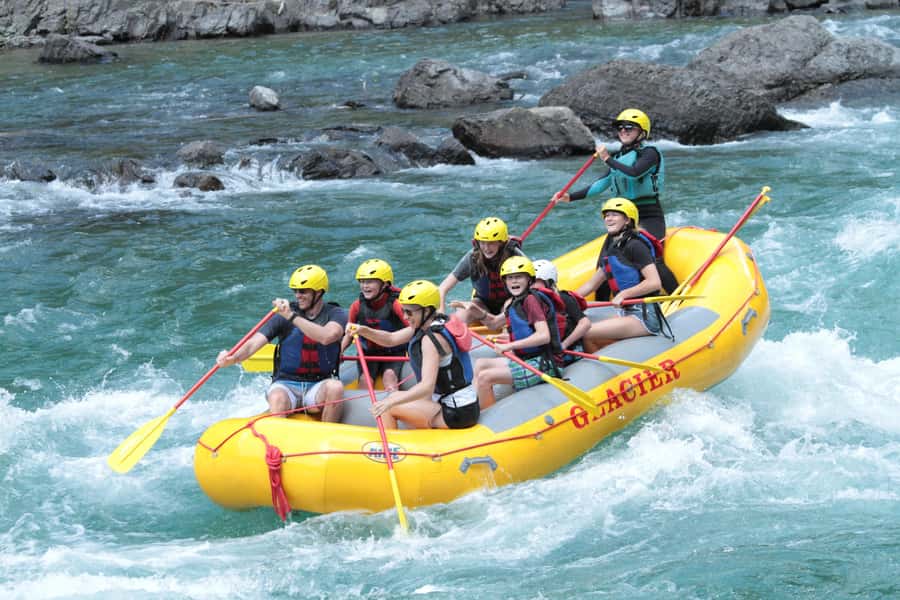
- Eight miles through John F. Stevens Canyon: The route gives you both quiet river time and a proper whitewater section.
- Nine Class II and III rapids: This is splashy, active rafting, but it is designed for first-timers and families rather than experts.
- A calm four-mile introduction: You learn paddle commands before the faster water begins.
- Glacial swimming stops: You may jump into the cold river when the raft pauses, if you choose.
- Belton Bridge finish: The raft passes beneath Glacier National Park’s historic bridge near the end.
- Season affects the ride: June and early July bring a shorter trip with stronger flow, while late August and September can mean longer, gentler runs.
Starting in West Glacier With a Quick Safety Briefing
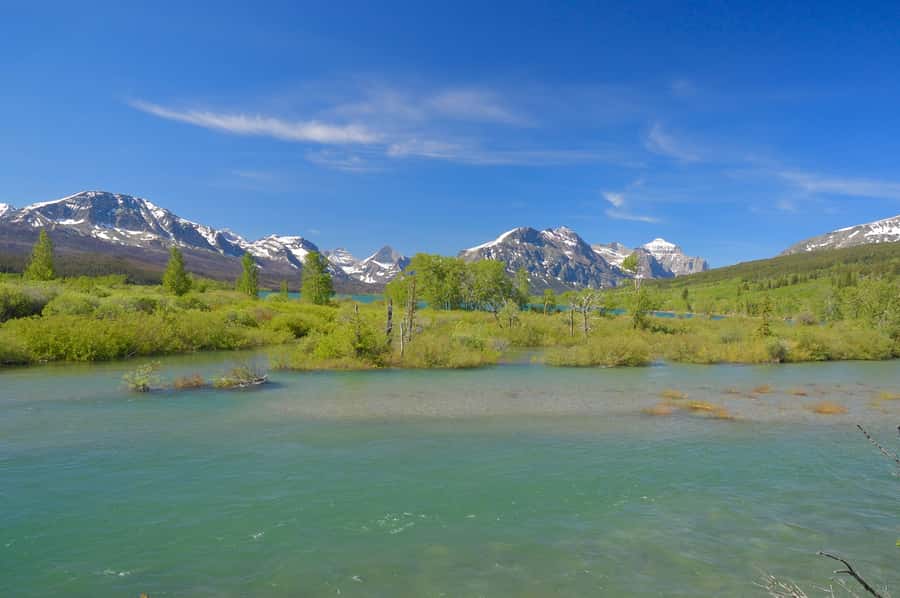
You meet at Glacier Raft Company in West Glacier, between the gas station and the Alberta Visitor Center. The location is handy if you are already visiting Glacier National Park, and one past participant appreciated how easy it was to combine this outing with other park plans.
Arrive 30 minutes before departure. That gives you time to check in, sort out clothing, and listen to the safety briefing without feeling rushed. You leave your belongings in your vehicle, and you can leave your car keys at the front desk for safekeeping.
The safety talk lasts about 30 minutes. Your guide explains the life jacket, helmet, raft position, and simple paddle commands you will use on the river. You do not need previous rafting experience, and the early calm water gives you time to practice.
This matters because rafting can sound more complicated than it is. You are not expected to steer the boat alone. The guide handles the main decisions while you respond to clear commands such as paddling forward, stopping, or leaning into the raft. Guides receive training in river rescue and first aid, and many return for multiple seasons.
The company provides helmets and life jackets. Fleece and splash jackets are available, and cold-weather gear is supplied when conditions are below 70 degrees. If wetsuits are no longer required but you need water shoes, booties are available for $7.
More White Water Rafting in the USA
- Half Day Whitewater Rafting Trip
★ 5.0 · 1,840 reviews - Half-Day Whitewater Rafting in Browns Canyon
★ 5.0 · 999 reviews - Whitewater Rafting in Jackson Hole : Family Standard Raft
★ 5.0 · 965 reviews
The Ten-Minute Ride to the Middle Fork
After check-in, your guide takes you by bus to the river. The ride takes about ten minutes, so this is not a long transfer or a complicated launch process. You should leave your main bags behind, since loose belongings do not belong in the raft.
At the river, the guide gives you another safety check and helps the group get settled. This is where the outing shifts from a roadside meeting point to a genuine river trip. The Middle Fork Flathead River runs through John F. Stevens Canyon, with forest, rock, and mountain views around you.
The scenery is a major reason to choose this trip instead of a purely technical rafting run. You get a different view of Glacier National Park from water level. Guides also discuss plants, animals, geology, river ecology, and environmental concerns. Guides such as Jake, Eva, Alex, and Tampa have been praised for adding useful facts without letting the talk interrupt the fun.
Keep your expectations sensible. This is not a wildlife tour, and sightings are never promised. Still, a black bear has been seen from the river during a past outing, and the canyon gives you plenty to watch between rapids. Bring sunscreen, water, and clothes that can get dirty.
Four Calm Miles to Learn the Paddle Commands
The first four miles are mellow. This is one of the best features of the trip because you get time to settle into the raft before the current picks up. You learn how the boat moves, how quickly it responds, and how to work with the other people aboard.
I would not skip the calm section mentally. It lets first-time rafters get comfortable with the guide’s voice and the group’s timing. It also gives you a chance to enjoy the river without constantly preparing for the next wave.
This part is scenic rather than thrilling. If you want nonstop whitewater, you may find the opening section slow. If you are rafting with children, older family members, or nervous beginners, the gradual start is a real advantage.
The river’s character also changes with the calendar. In June and early July, higher water can make the ride shorter and the rapids more forceful. From mid-July into early August, the trip usually lasts about three hours. From mid-August through the end of the season, lower water can stretch the trip to about three and a half hours.
That longer late-season duration does not mean more rapids. It can mean slower current and more time floating. One late-season outing was described as a pleasant scenic ride because the river was too low for the expected whitewater. Another August trip still had Class I through III action, so conditions can vary from day to day.
Nine Class II and III Rapids in the Second Half
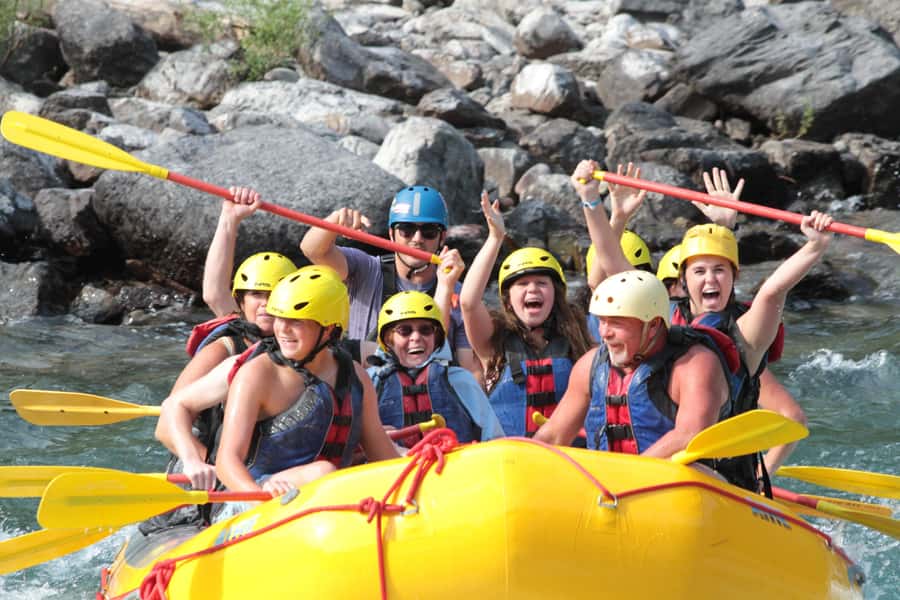
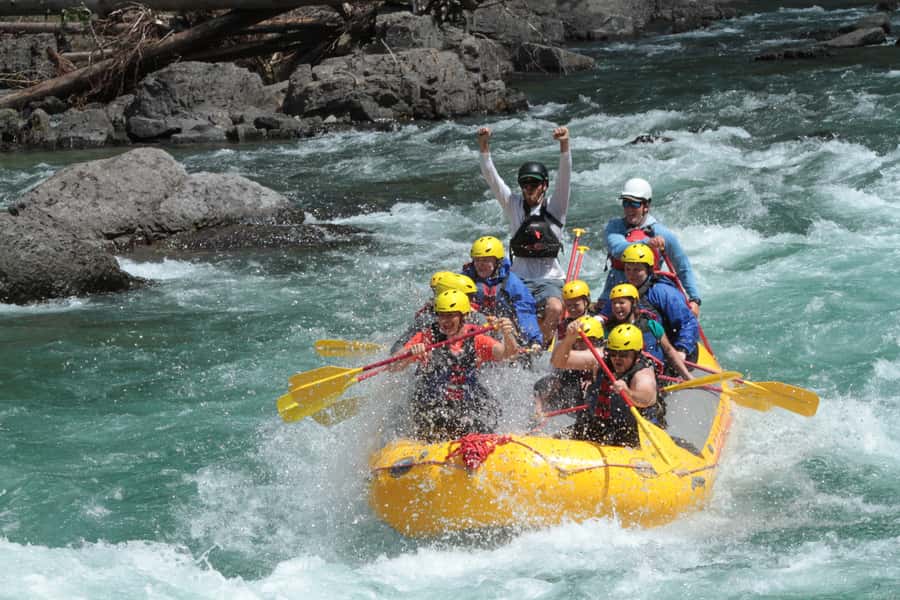
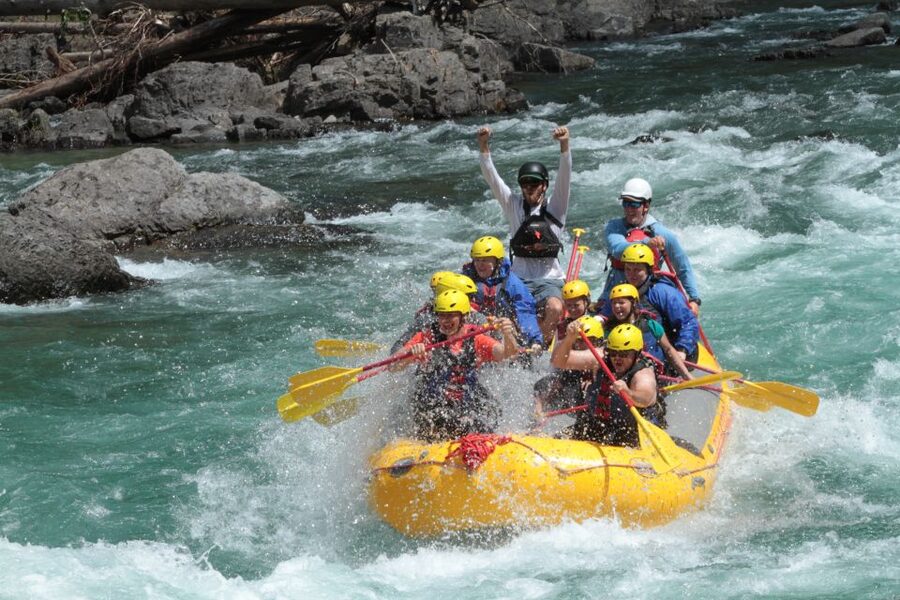
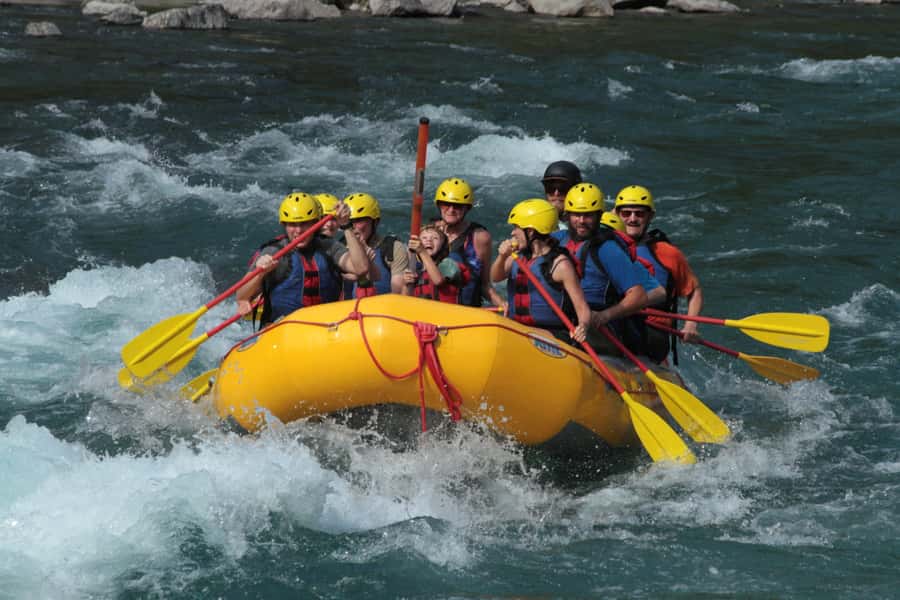
The whitewater arrives during the second four miles. Class II and III rapids are a good middle ground for a family-friendly outing. You get waves, splashes, and active paddling, but this is not an extreme expedition that demands technical experience.
Your guide calls out the commands, and the raft works as a team. Some groups have enjoyed spins and plenty of water in the face, while others have found the lower-water runs more relaxed. The guide controls the tone, so tell them if you are nervous or hoping for a more energetic ride.
The rapid named Bonecrusher is the spot where photographs are taken. You cannot carry a camera safely in the raft, so this gives you a way to take home a record of the ride without risking your phone. You will want to check how photos are handled at the office, since the supplied information confirms that photos are taken but does not give a purchase price.
Guides make a big difference here. Paige has been praised for staying calm under pressure, while Eric helped a younger child feel comfortable. Hannah G. was singled out for making the trip fun for children aged 11, 13, and 16. These details point to the trip’s strongest quality: the guide is not just a person who rows. The guide sets the pace, explains the river, watches the group, and helps nervous rafters take part.
You should still understand that Class III water can feel serious to a first-timer. The raft may tilt, waves may splash over the sides, and you must follow instructions. Helmets and life jackets are mandatory, which is sensible for this kind of moving water.
Same river country, a completely different day on the water:
- Upper Pigeon River Rafting Trip from Hartford
★ 5.0 · 1,444 reviews - Tetons and Snake River Scenic Float Trip In Jackson Hole
★ 5.0 · 1,000 reviews - Durango Half Day Rafting Trip – Lower Animas River
★ 5.0 · 942 reviews - Half Day Browns Canyon Rafting Adventure
★ 5.0 · 903 reviews
Cold River Stops and the Belton Bridge
The raft may pause so you can jump into the water. This is optional, and the water is glacially cold. If you want to try it, listen carefully to the guide and use the provided safety equipment. If cold water is not your idea of fun, staying in the raft is perfectly fine.
A swim stop adds variety to the day, especially when the weather is warm. It also gives the group a short break from paddling. Bring a towel and a complete change of clothes, since even rafters who do not swim can get soaked by spray.
Near the end, you float beneath Belton Bridge, a historic bridge near the park entrance. It is a quieter finish after the rapids and a good moment to look up from the paddling. The river gives you a broad view of the surrounding rock and forest, while the bridge provides a clear sense of place.
The trip ends with a short walk back to the Glacier Raft Company office in West Glacier. The walk takes about ten minutes. You do not return by bus, so wear shoes you can walk in after getting wet.
What $90 Buys You
At $90 per person, this is a fair price for a half-day outdoor activity in the Glacier area. You are paying for a professional guide, transportation to the launch point, safety equipment, cold-weather layers when needed, and about eight miles of river time.
The value is strongest if you want more than a thrill ride. The guide adds information about river ecology, wildlife, geology, and environmental concerns, giving the scenery some meaning. You also avoid arranging your own transport and equipment.
Food and drinks are not included. You need to bring your own water, and you should eat before or after the trip rather than expect a meal during it. Closed-toe shoes are required, and bare feet are not allowed. Water shoes can be rented for $7, while booties cost $7 once wetsuits are no longer needed.
The listed duration is 150 minutes, but the actual outing changes with river flow. Plan around the full check-in, briefing, bus ride, river run, and walk back. A June or early July trip may take about two and a half hours, while later-season trips can run closer to three or three and a half hours.
Free cancellation is available up to 24 hours before departure, and you can reserve now and pay later. That is useful when your Glacier plans depend on weather, road conditions, or park timing.
Who Will Enjoy This Trip Most
I would choose this trip for first-time rafters, families with children over five, and anyone who wants to pair outdoor action with scenery and local information. The calm opening gives beginners a chance to learn, while the rapids provide enough action to make the day feel like an adventure.
The minimum weight is 50 pounds. Children under five cannot participate, and the outing is not suitable for pregnant women or people with mobility impairments. The short walk at the end also matters if anyone in your group has trouble walking on uneven ground.
You should also be comfortable getting wet. Rain does not cancel the trip, and water can splash into the raft even on a clear day. Wear quick-drying or easily washable clothing, closed-toe shoes, sunscreen, and a towel. A dry change of clothes is one of the smartest things to pack.
This is less suitable for a serious whitewater enthusiast who wants demanding rapids from start to finish. The route includes a long calm section, and late-season low water can make the ride more scenic than intense. For most families, that balance is the point.
Practical Tips for a Better River Day
Arrive early rather than cutting the 30-minute check-in close. You will have time to leave belongings in the car, collect any needed clothing, and pay for shoe rental if required.
Dress for the water, not just the air temperature. A warm afternoon can still feel chilly after repeated splashes. Fleece, splash jackets, and other cold-weather clothing are available when conditions call for them, but bring layers you are willing to get wet.
Use sunscreen even when the canyon gives you shade. The river reflects light, and you may spend several hours outside. Bring cash for small rental expenses and keep glass, coolers, alcohol, and drugs out of the trip.
Do not bring crutches or other items that cannot safely travel in the vehicle or raft. Alcoholic drinks are not permitted in the vehicle. Your guide will tell you where personal belongings should remain.
Finally, think about timing. Higher water in June and early July generally brings a livelier ride. Mid-August through September may offer a longer, calmer outing with more emphasis on scenery. Neither season is automatically better. Pick the level of excitement your group actually wants.
Should You Book the Glacier Raft Company Trip?
Book it if you want a well-organized introduction to Montana whitewater with nine Class II and III rapids, a calm learning section, and strong views of Glacier National Park. The guide team is the heart of the outing. Names such as Maddie, Paige, Wes, Cierra, and Owen have been associated with the friendly, safety-minded style this trip aims for.
Think twice if you need guaranteed high water or constant rapids. River flow controls the pace, and late-season conditions can make the experience more of a scenic float. At $90, the trip remains good value for the guide, equipment, transport, and scenery, but your expectations should match the season.
For a family or first-time group, I would book it. You get enough whitewater to feel the excitement, enough calm water to enjoy the canyon, and a guide who helps turn a simple raft ride into a useful introduction to the river.
FAQ
Where does the rafting trip meet?
Meet at Glacier Raft Company in the village of West Glacier, between the gas station and the Alberta Visitor Center.
How long does the trip last?
The listed duration is 150 minutes. Actual timing depends on river flow, with trips lasting about two and a half hours in June and early July, about three hours from mid-July to early August, and about three and a half hours from mid-August through the end of the season.
Are helmets and life jackets provided?
Yes. Helmets and life jackets are provided and mandatory during the rafting trip.
What should I bring?
Bring a towel, a complete change of clothes, sunscreen, water, cash, clothes that can get dirty, and closed-toe shoes. Water shoes are available to rent for $7.
Can children join the rafting trip?
Children under five cannot participate, and each participant must weigh at least 50 pounds. The trip is described as family-friendly, with Class II and III rapids.
What happens if the weather is rainy or cool?
The trip runs rain or shine. Fleece, splash jackets, and other cold-weather gear are available when conditions call for them. Wetsuits and river shoes may also be available, with booties costing $7 once wetsuits are no longer required.
More National Park River Days in the USA
- National Park Whitewater Rafting in New River Gorge WV
★ 5.0 · 513 reviews - Denali Rafting Wilderness Wave
★ 5.0 · 462 reviews - Half-Day Glacier National Park Whitewater Rafting Adventure
★ 5.0 · 390 reviews - West Glacier: Glacier National Park Scenic Raft Trip
★ 4.9 · 254 reviews
Just added around the USA
- Wilderness: Denali National Park Class I-III Rafting Tour★ 4.5 · 25 reviews
- Westwater Canyon: Colorado River Class 3-4 Rafting from Moab★ 4.8 · 22 reviews
- Valdez: Keystone Canyon Whitewater Rafting Trip★ 4.8 · 6 reviews
- New River Gorge Whitewater Rafting, WV – Lower New Full Day★ 5.0 · 18 reviews
- Half Day New River Gorge Whitewater Rafting★ 5.0 · 22 reviews
- Full Day Fall Lower Gauley Rafting in West Virginia★ 5.0 · 2 reviews
- Extreme Class V Whitewater Rafting on the Gauley River WV (Fall Only)★ 5.0 · 10 reviews
- Lower Gauley Fall Rafting Special in WV★ 5.0 · 32 reviews
the USA Rafting Tours, compared.
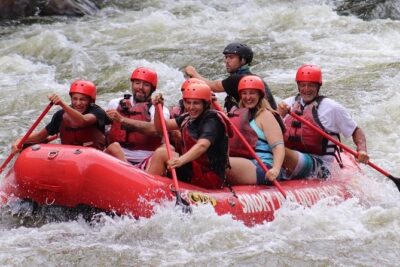
Upper Pigeon River Rafting Trip from Hartford
Read our review →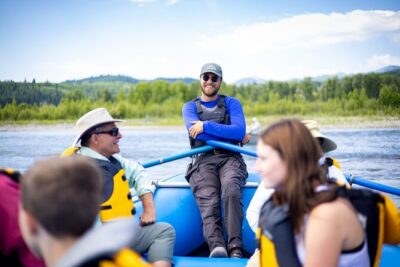
Tetons and Snake River Scenic Float Trip In Jackson Hole
Read our review →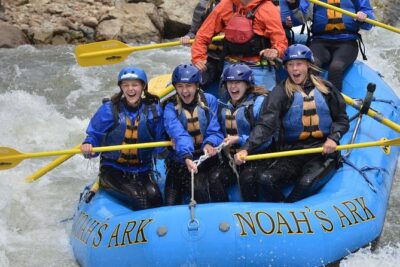
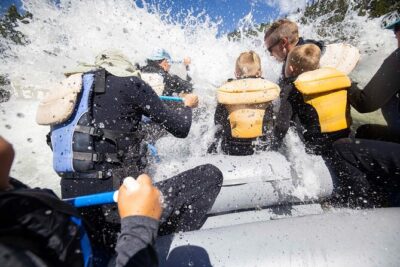
Whitewater Rafting in Jackson Hole : Family Standard Raft
Read our review →
Durango Half Day Rafting Trip – Lower Animas River
Read our review →
Snake River Scenic Float Trip with Teton Views in Jackson Hole
Read our review →
Browse the lists this tour appears in