

REVIEW · CHIANG MAI
Chiang Mai: 2-Day Tour with Rafting, Elephants, and Waterfall
The best part of this two-day trip is the change of pace. You leave Chiang Mai’s streets behind and spend a night in the jungle beside a waterfall, then return to the river to feed, bathe, and care for elephants. Bamboo rafting provides the first splash of adventure, while the Karen guide adds local knowledge to the forest walk.
I like the mix of activities: waterfalls and swimming on the first day, followed by a close look at elephant care on the second. I also like the small-group limit of 12 people, which should make it easier to hear the guide and spend time with the animals. The tradeoff is comfort. This is an active trip with mud, uneven paths, basic jungle surroundings, and a guest comment noting that it may not suit people who are very particular about hygiene.
Key points to know before booking
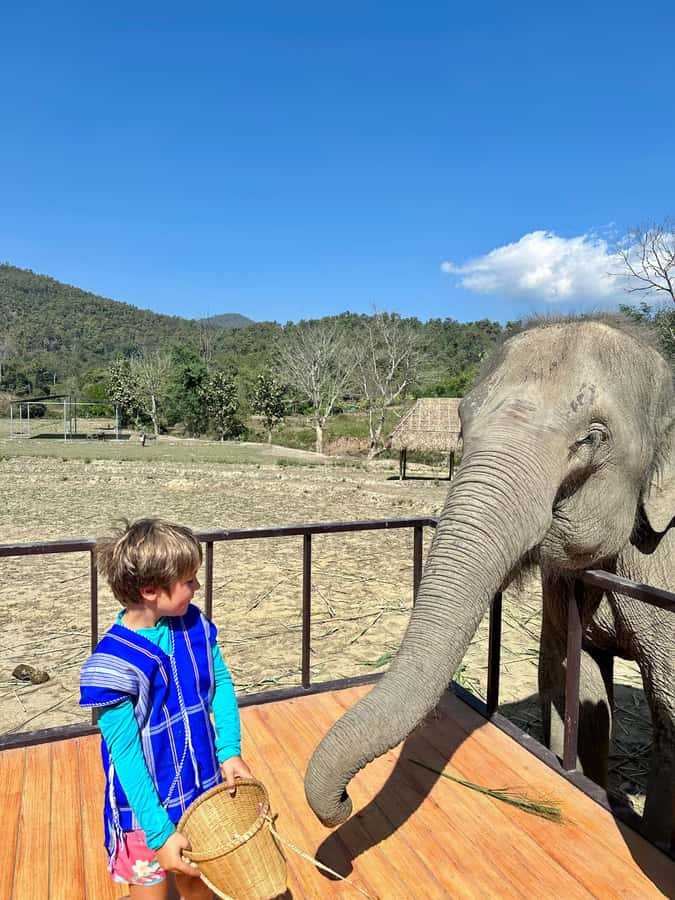
- Raft for about 30 minutes on the Mae Wang River, with jungle scenery and possible elephant sightings along the route.
- Sleep beside a waterfall in the jungle, in a room with air conditioning, a private bathroom, towels, a fridge, TV, and tea and coffee facilities.
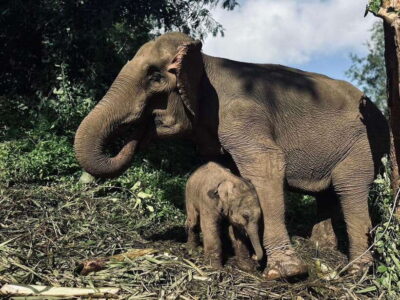
- Learn about elephants through feeding, mud play, and river bathing, rather than simply watching them from a distance.
- Meet a Karen village and local guide, with jungle walks covering plants, birds, and the care of elephants.
- Expect a physically demanding two days, with trekking, swimming stops, wet conditions, and uneven ground.
- Pay $173 per person, including transport, accommodation, meals listed in the program, rafting, and guided activities, but not drinks.
From Chiang Mai to the Mae Wang River
Your day begins with hotel pickup in Chiang Mai between 8:30 and 9:00 in the morning. The exact timing can shift because the minibus collects people from several hotels, so I would be ready in the lobby at least 10 minutes early. Look for the gray minibus marked Temple of Elephants.
The drive heads southwest through a more rural part of Chiang Mai Province. You will pass farms, rice fields, and hill tribe villages before reaching the activity area. This transfer is not just dead time. It gives you a gradual change from city life to farmland and forest, though the total pickup route may take longer if your hotel is far from the other collection points.
The group is limited to 12 people. That is a useful size for a walking tour, particularly when the guide is explaining plants or helping people around the elephants. The guide speaks English, but the experience has an informal character. One guest found that Jack and Tip spoke limited English and communicated partly through gestures. If you need long, detailed explanations, keep that in mind. If you are comfortable with a relaxed style, the hands-on nature of the day matters more than polished presentation.
More two-day river trips in Chiang Mai:
- Trekking 2 Days 1 Night+Rice fields+Bamboo Rafting
★ 5.0 · 3 reviews - Chiang Mai 2 Day 1 Night Jungle Trekking and Bamboo Rafting
★ 5.0 · 2 reviews - Monkey Business 2 days – 1 night Jungle Trekking (including rafting)
★ 5.0 · 121 reviews
Bamboo rafting on the Mae Wang River
The bamboo rafting lasts about 30 minutes. It is not a long river expedition, but it gives the trip an immediate sense of adventure and gets you close to the forest. You will see the jungle from the water and may spot elephants in the surrounding area.
The raft is also a practical reminder of the trip’s tone. You should expect to get wet, and the river setting leads naturally into the day’s walking and waterfall stops. One guest described the rafting as refreshing and full of adrenaline, while another simply called it a beautiful experience. The difference probably comes down to river conditions and your own comfort with a simple outdoor activity.
Do not treat this as a luxury boat ride. The appeal is the short, direct contact with the river and the chance to see a less developed part of Chiang Mai Province. Keep valuables protected and bring clothing that can handle spray, mud, and a swim. The supplied details do not state that drinks are provided, so plan to buy or bring what you need for the day.
Jungle trails, moving plants, and waterfall stops
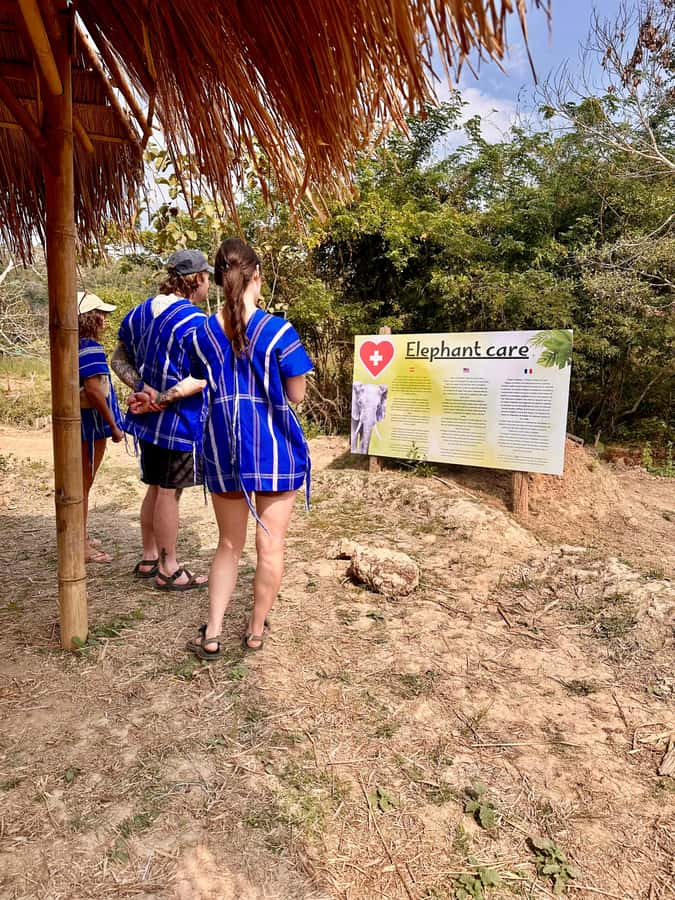
After rafting, the trip continues on foot through the jungle. The route includes several waterfalls where you can rest and swim, plus a lunch stop. The guide points out local wildlife and explains details such as plants that move when touched and places where regional birds build their nests.
These small observations are what make the walk more than a simple transfer from one attraction to another. You get a sense of how the forest works, from plant behavior to bird habitats, while also learning why elephant care matters. The guide is a local Karen guide, which gives the walk a stronger connection to the communities in this part of Thailand.
You should have a reasonable level of fitness. The tour is specifically not suitable for people with a low level of fitness, and the schedule includes trekking on both days. The exact trail surface is not described, so prepare for outdoor conditions rather than a smooth park path. Waterfall swimming is optional in practice, but the stops are part of the route and are useful places to cool down.
The combination of walking and swimming makes the first day feel varied. You are not spending hours doing only one activity. At the same time, you should not book this if you want a gentle sightseeing tour with little exertion.
A night beside a jungle waterfall
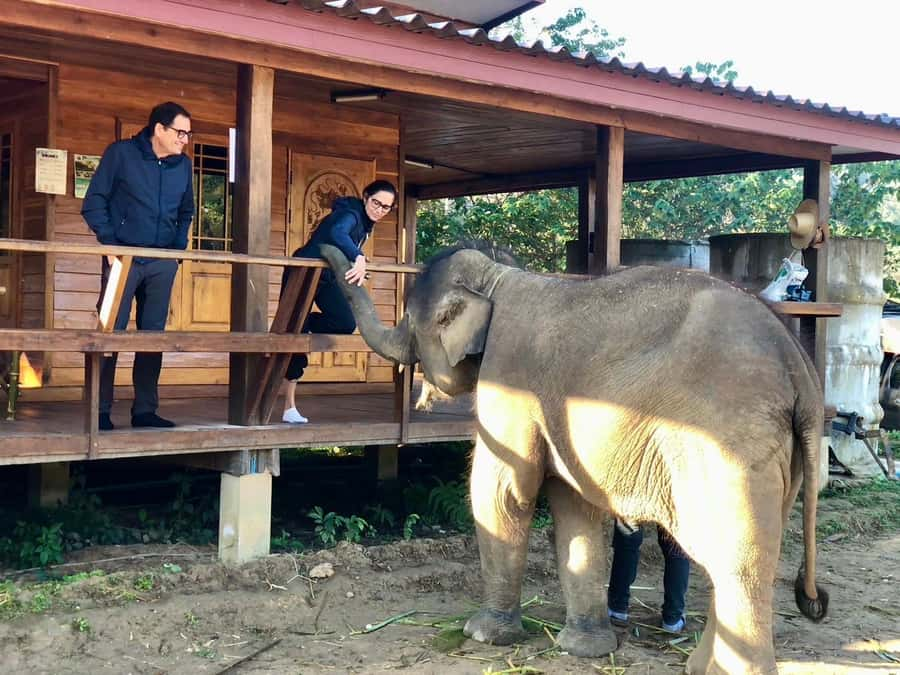
By afternoon, you reach a local house in the jungle beside a river and an impressive waterfall. This is the most memorable setting of the trip, but it is also where expectations matter most. You are staying in a rural area, not a resort compound.
The accommodation includes air conditioning, towels, a television, a fridge, a kettle with tea and coffee, and an en-suite bathroom. Those facilities make the night more comfortable than a basic open-air camp. You still need to accept the surrounding mud, insects, river noise, and outdoor conditions that come with sleeping beside a waterfall. The available information does not describe the room layout or bedding, so pack for a simple stay rather than assuming hotel-level service.
While you relax, the local guide prepares an authentic Thai meal. Dinner is included, and the food received specific praise from one guest. The meal is part of the appeal here because it connects the overnight stay to local life instead of making the jungle stop feel like a standard hotel night.
The phrase sleep beside a waterfall is not just marketing decoration in this case. The accommodation is directly by the river and cascade, giving you a setting that would be difficult to reproduce on a short day trip from Chiang Mai. If you value place and atmosphere more than polished facilities, this overnight stop helps justify the two-day format.
A few more rafting days around Chiang Mai worth a look
- Chiang Mai: Elephant Sanctuary, Waterfall & Bamboo Rafting
★ 4.9 · 9,160 reviews - Chiang Mai Elephant Sanctuary, Bamboo Rafting and Waterfall Tour
★ 5.0 · 870 reviews - Half Day Visit and Whitewater Rafting Adventure
★ 5.0 · 290 reviews - Chiang Mai: Elephant Sanctuary Bamboo Raft & Padthai Cooking
★ 4.8 · 245 reviews
Breakfast views and the Karen village
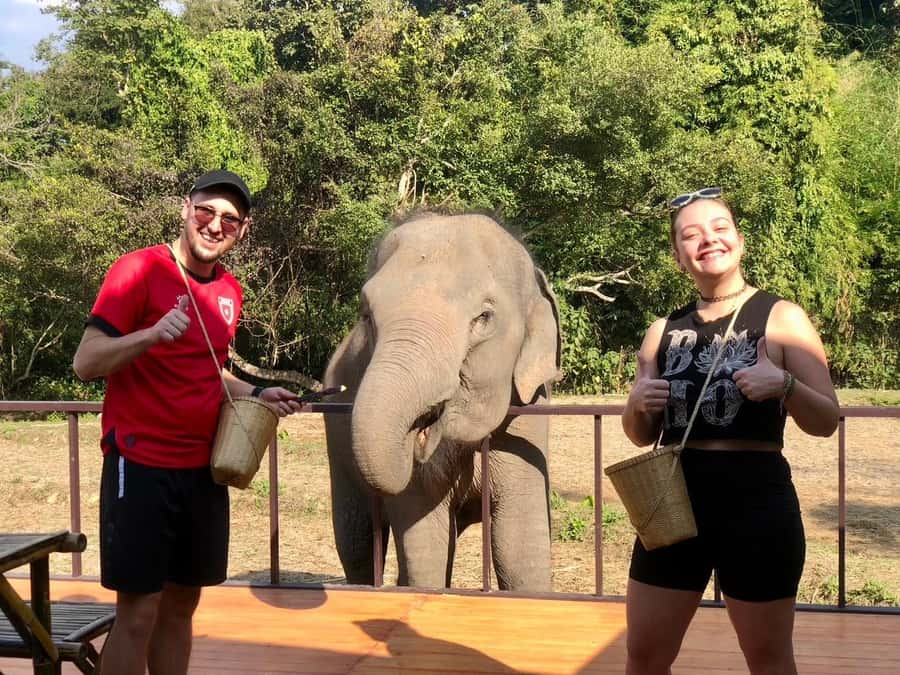
The second morning begins with breakfast and views of the surrounding area. The schedule then includes a visit to a Karen village before the elephant activities. The village visit adds cultural context to a trip that might otherwise focus only on outdoor thrills.
The details provided do not specify how long you stay in the village or exactly what you see there. I would treat it as a brief community visit rather than a full cultural program. You will have more time for the forest, waterfalls, and elephants than for formal village interpretation.
This part of the day also helps explain the role of the local guide. The tour is not simply using the jungle as a backdrop. The guide discusses the forest, the animals, and the importance of responsible care, while the village visit gives you a direct connection to the people who live in the region.
Feeding elephants at the camp
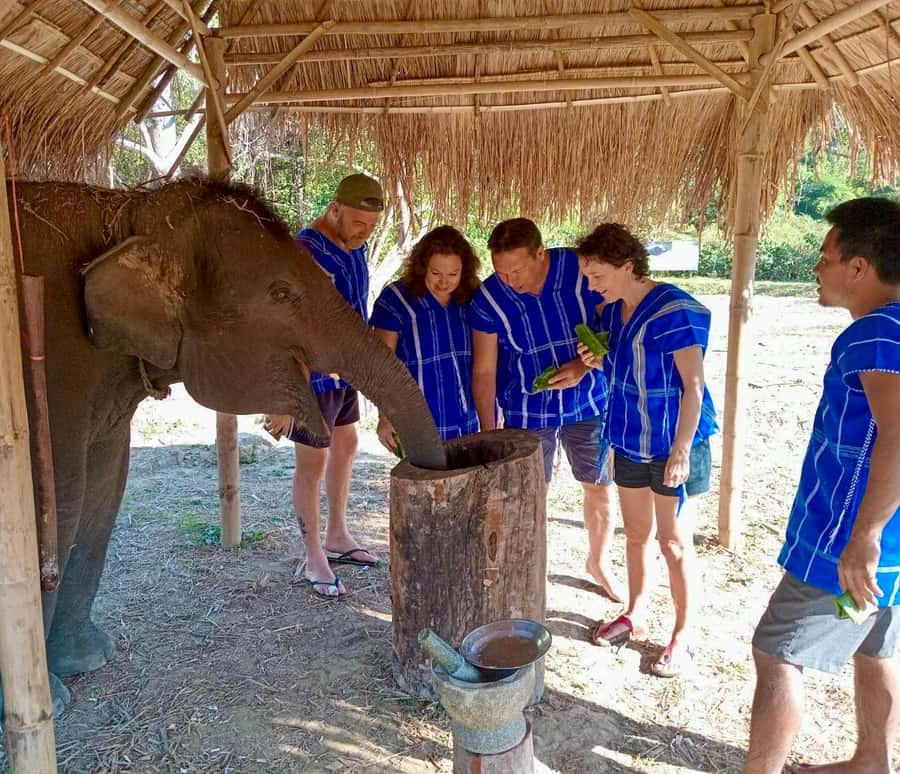
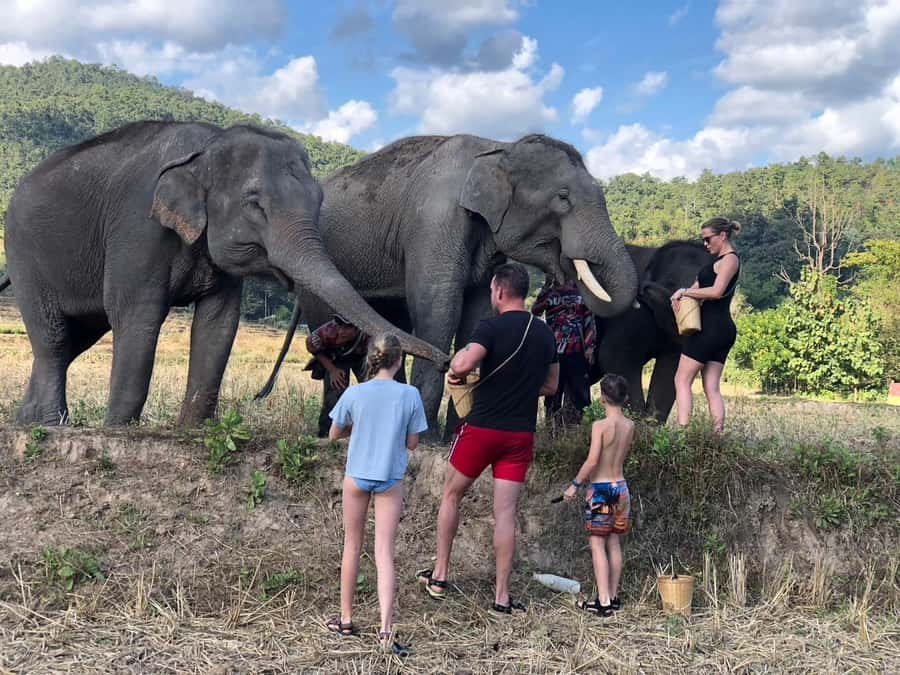
The elephant portion takes place at a camp where you can feed the animals and spend time observing their behavior. The program describes the elephants as being cared for in a natural setting, and the activities focus on interaction rather than a performance.
The most hands-on part includes mud play and bathing in the river. One guest described the sanctuary as the best part of the trip, especially because the elephants appeared well cared for. That impression is important, but you should still listen closely to the guide and follow every instruction around the animals. Elephants are large, intelligent creatures, and close contact requires calm behavior.
The bathing stop is also explained as part of the elephants’ daily care. You learn why bathing helps their hygiene and well-being, while watching them splash, play, and interact with each other. This is more meaningful than simply posing for a photograph because the activity is tied to a routine in the animals’ lives.
There is still an important point to consider. The supplied details use the language of a sanctuary and natural habitat, but they do not provide a formal animal welfare policy or explain the elephants’ backgrounds. If ethical elephant tourism is your main concern, ask the provider for more information before booking. The described program avoids mention of riding, which will appeal to many people, but feeding, mud play, and bathing are still close-contact activities.
More waterfalls before the ride back
After the elephant camp, the trek continues with another river and waterfall stop. You can get into the water with the elephants, then continue on foot and pause at further waterfalls for food and rest.
This second walking section makes the day active from beginning to end. It also means you should not expect to finish the elephant visit and immediately sit in an air-conditioned vehicle. The program saves the return to Chiang Mai for after the final trek, so allow for a full day outdoors.
You return to your Chiang Mai hotel with transport included. The exact arrival time is not provided, so do not schedule a tight evening flight, train, or fixed dinner reservation. Pickup is included from any hotel in Chiang Mai, but the route can take longer when the minibus is collecting several groups.
What the $173 price really covers
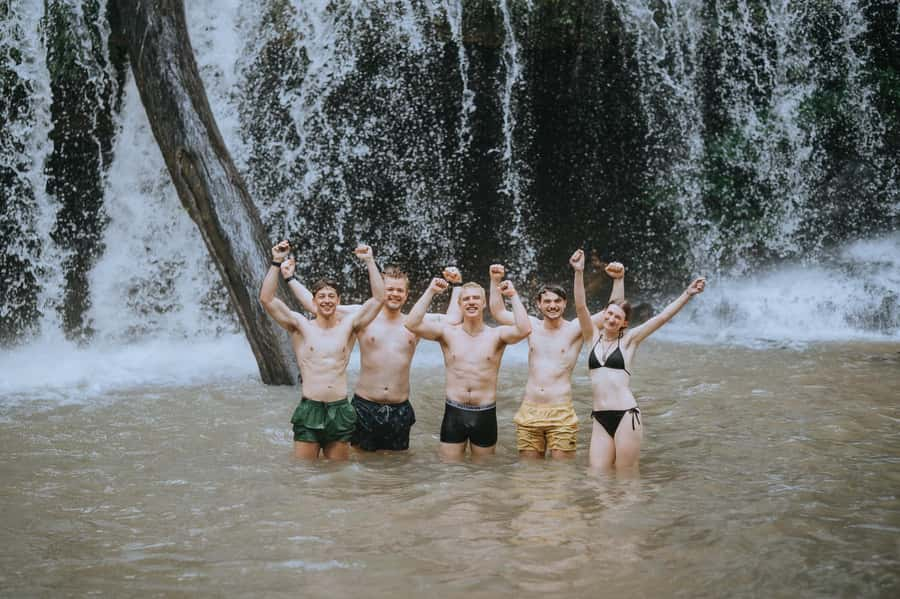
At $173 per person, the trip is not the cheapest way to see elephants near Chiang Mai. The price becomes easier to assess when you count what is included: two days of transport, accommodation, bamboo rafting, guided trekking, elephant activities, a Karen village visit, and meals listed as one or two lunches, one dinner, and one breakfast.
Drinks are not included. You may also want to budget for personal snacks or extra beverages, especially because the schedule includes outdoor activity in a warm climate. The meal wording allows for some uncertainty about whether you receive one or two lunches, so confirm the exact meal plan when booking.
I see the strongest value in the overnight setting. A day trip can cover rafting, waterfalls, or elephants, but this experience links them into one rural journey and gives you a night beside the river. The included room has more facilities than a bare camp, and the group size is capped at 12.
The price is less attractive if you dislike active tours, shared minibus transfers, or simple rural accommodation. You are paying for access, transport, food, and a local-led schedule, not for a luxurious retreat. For the right kind of visitor, the variety makes the cost reasonable.
Who should book this two-day adventure?
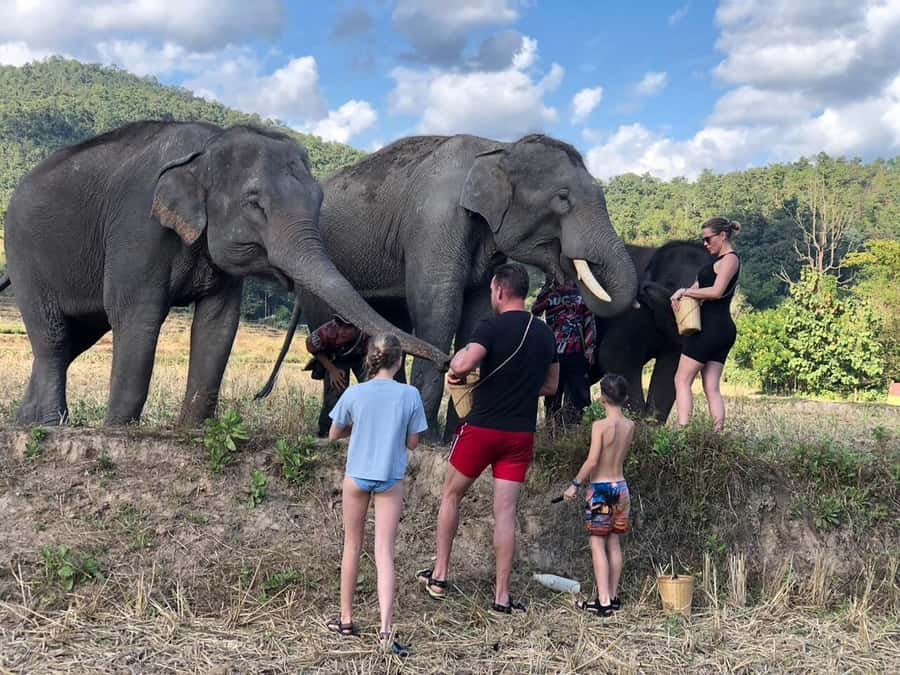
I would recommend it to you if you want a full outdoor experience and are happy to trade polish for contact with the forest. It suits active couples, friends, and solo visitors who enjoy walking, swimming, simple accommodation, and close encounters with animals.
It is not suitable for children under five, babies under one, pregnant women, wheelchair users, people with heart problems, or people with a low level of fitness. The stated age guidance also excludes anyone over 70, despite the separate note about people over 95, so older visitors should clarify eligibility directly before paying.
Bring practical clothing for wet and muddy conditions, swimwear, sturdy footwear, and a change of clothes. Because drinks are excluded, carry money or supplies for them. Most of all, come ready for an informal trip. Guide Chin was praised for his humor and positive attitude, while Jack and Tip were described as friendly and helpful despite limited English. The people you meet may shape the experience as much as the activities themselves.
Should you book it?
Book this tour if your priorities are waterfalls, jungle walking, a local guide, and respectful hands-on elephant care. The night beside the waterfall gives it more character than a standard day excursion, and the combination of rafting, village life, trekking, and elephants offers plenty for the price.
Skip it if you want a clean, highly organized resort-style experience or an easy sightseeing day. Mud, physical effort, changing pickup times, and a simple jungle setting are built into the deal. For an active visitor who wants two days outside Chiang Mai and accepts those limits, this is a strong choice.
FAQ
What is included in the $173 price?
The price includes transport, accommodation, bamboo rafting, guided trekking with a local Karen guide, elephant activities, a Karen village visit, and meals listed as one or two lunches, one dinner, and one breakfast. Drinks are not included.
Where does hotel pickup take place?
Pickup is available from any hotel in Chiang Mai. You should wait in the hotel lobby at least 10 minutes before the scheduled pickup and look for a gray Temple of Elephants minibus.
What time does pickup begin?
Pickup is scheduled between 8:30 and 9:00 in the morning. The exact timing may take longer when the minibus is collecting groups from several hotels.
What kind of accommodation is provided?
You stay in a local house in the jungle beside a river and waterfall. The room includes air conditioning, towels, a TV, a fridge, a kettle for tea and coffee, and an en-suite bathroom.
Is this tour suitable for children or people with limited mobility?
No. It is not suitable for children under five, babies under one, wheelchair users, pregnant women, people with heart problems, or people with a low level of fitness. The stated information also excludes people over 70.
Can I cancel the booking?
You can cancel up to 24 hours in advance for a full refund. The tour also offers a reserve-now-and-pay-later option, subject to availability.
Just added around Chiang Mai
- Trekking 2 Days 1 Night+Rice fields+Bamboo Rafting★ 5.0 · 3 reviews
- Chiang Mai Zipline White Water Rafting and Elephant Sanctuary★ 4.0 · 11 reviews
- World-Class Mae Taeng River Whitewater Rafting Experience★ 4.0 · 2 reviews
- Khampan Rafting: White Water Rafting Guided Adventure in Chiang Mai★ 5.0 · 31 reviews
- 8KM White Water Rafting and 3HRS Jungle Trekking Adventure★ 5.0 · 9 reviews
- One Day Sticky Waterfall, White Water Rafting,Elephants Sanctuary★ 4.5 · 4 reviews
- Half Day Elephant care and Whitewater Rafting Adventure★ 5.0 · 6 reviews
- River Float and ATV Adventure★ 5.0 · 7 reviews
Chiang Mai Rafting Tours, compared.
Elephant Sanctuary, Waterfall & Bamboo Rafting
Read our review →
Chiang Mai Elephant Sanctuary, Bamboo Rafting and Waterfall Tour
Read our review →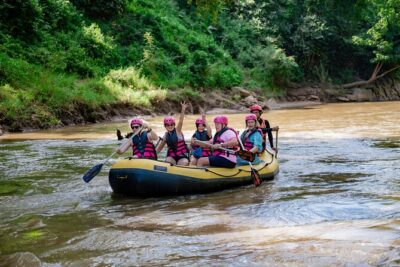
Half Day Visit and Whitewater Rafting Adventure
Read our review →
Elephant Sanctuary Bamboo Raft & Padthai Cooking
Read our review →
Full-Day Guided Tuk Tuk Chiang Mai Adventure and Rafting
Read our review →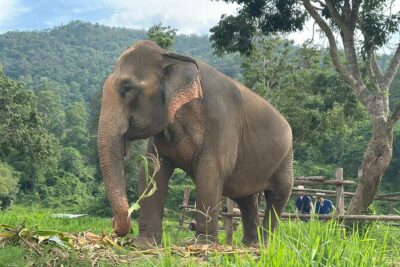
4 in 1 Elephants Long Neck Rafting and Sticky Waterfall Tour
Read our review →Browse the lists this tour appears in