
REVIEW · CANADA
Banff: Horseshoe Canyon Whitewater Rafting Tour
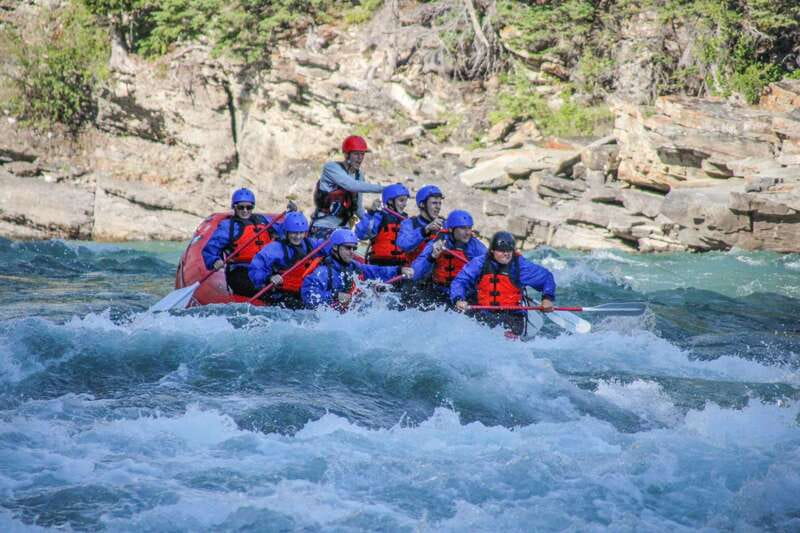
Horseshoe Canyon is the kind of rafting trip that turns a half-day in Banff into a proper adventure. The Class 2 to 4 rapids bring big waves and sharp hits, while the steep shale walls make the Bow River feel narrow and wild. I like the optional 8-foot and 30-foot cliff jumps, and I like that wetsuit, helmet, life jacket, booties, splash jacket, guide, transport, and a drink afterward are included.
The main consideration is physical effort. You must paddle, pay attention, and stay balanced in a moving raft, and the river portion can feel short if you want an all-day outing. The camp facilities are basic, too, so arrive ready for an outdoors-first experience rather than polished comfort.
Key points at a glance
- Class 2 to 4 whitewater: Expect big waves, hard hits, and active paddling rather than a gentle scenic float.
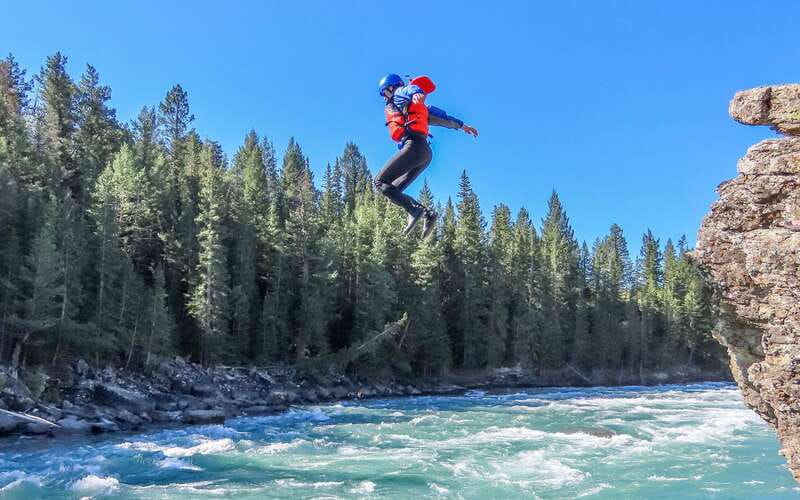
- Optional 8-foot and 30-foot jumps: You can add a cliff jump if you want more excitement, but participation is optional.
- Full cold-water gear included: Wetsuit, booties, helmet, life jacket, splash jacket, and an extra wetsuit jacket on colder days are provided.
- A 15-minute bus ride to the river: The old school bus ride to the put-in adds a memorable, slightly rough-edged part of the outing.
- Guides bring more than paddle commands: Sam, Ames, Quynton, and Bets have been praised for clear instruction, local stories, and calm leadership.
- A practical half-day length: The full visit lasts 210 minutes, leaving you time for another Banff activity afterward.
What the Horseshoe Canyon trip is really like
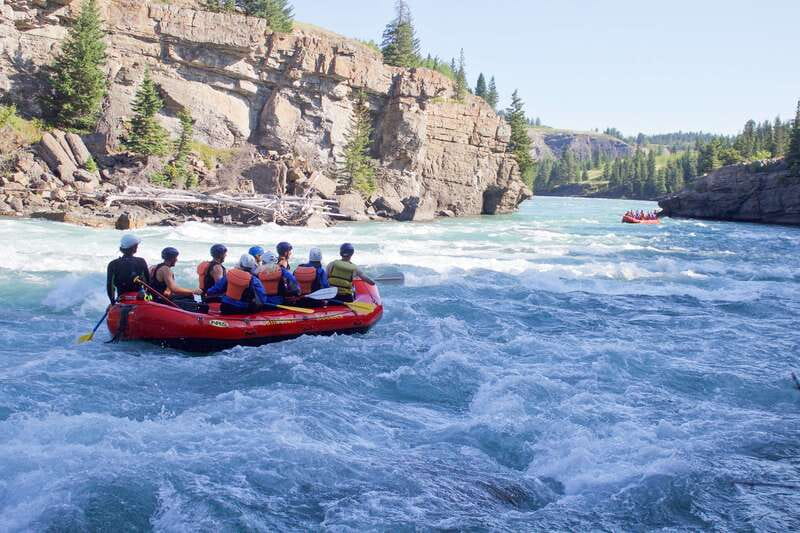
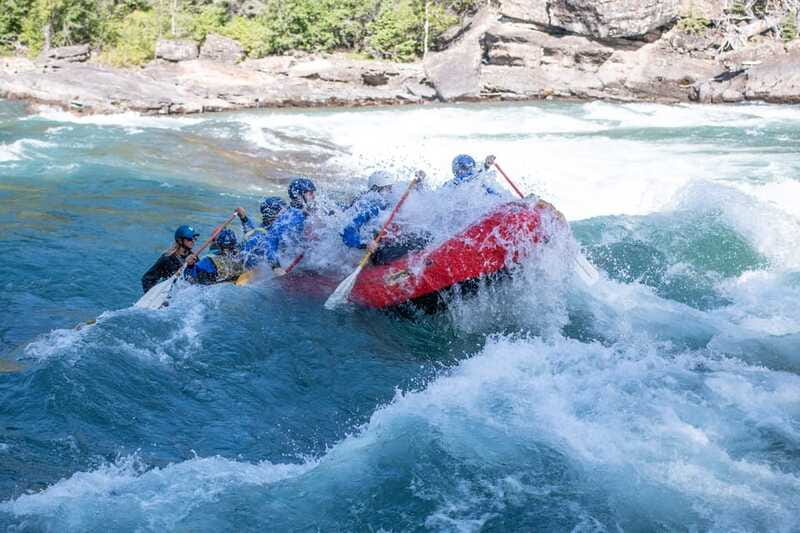
This is not a quiet float beneath the Rockies. The Bow River pushes through Horseshoe Canyon with enough force to make you work, react, and listen closely to your guide. You will paddle as a team, brace through waves, and try to stay in the raft when the water gives you a hard shove.
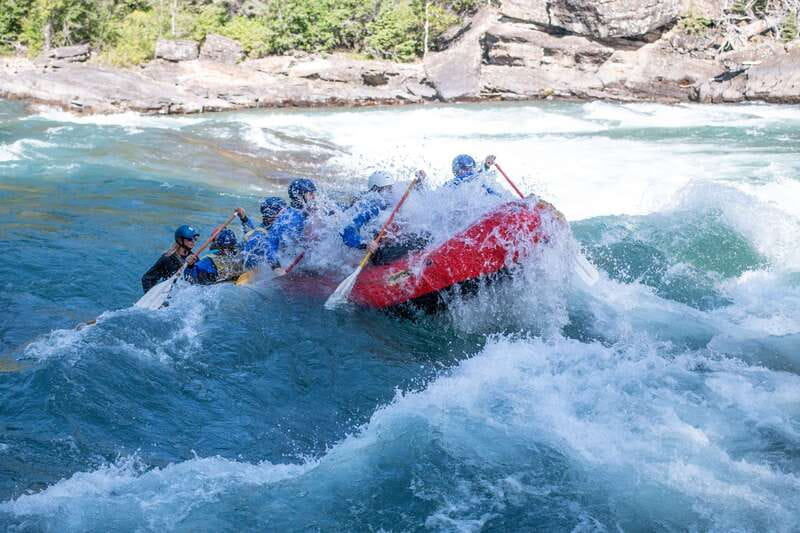
The river is rated Class 2 to 4, which tells you more than a simple label such as adventurous. Class 2 sections can offer manageable waves and clear instructions. Class 3 and 4 sections bring stronger current, larger waves, and more demanding moments. Your guide controls the raft and gives the commands, but you are an active part of the crew.
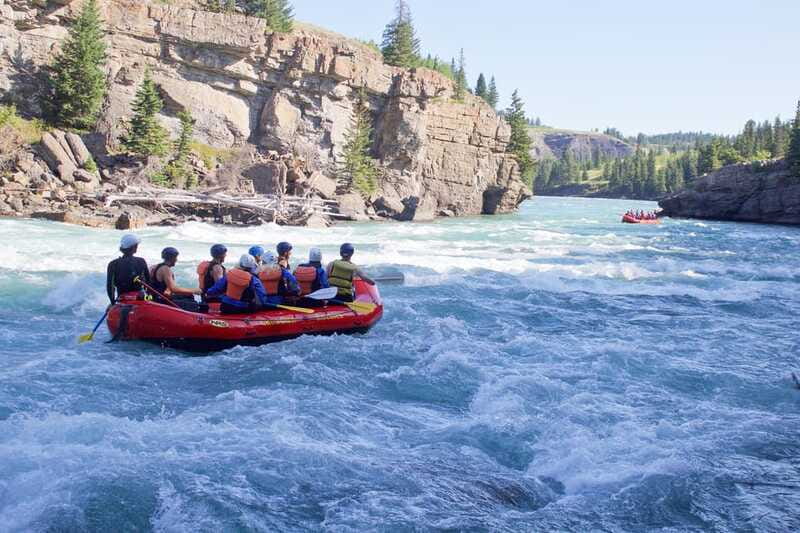
The setting adds to the appeal. Steep shale walls rise beside the river, and glacial water gives the trip its cold, brisk character. You are not just paying for a wet ride. You are getting a close look at a rough section of the Bow River that is hard to appreciate from a highway viewpoint.
More White Water Rafting in Canada
- Half-Day Whitewater Rafting in Revelstoke
★ 5.0 · 410 reviews - Banff: Kananaskis River Whitewater Rafting Tour
★ 4.9 · 328 reviews - Jasper National Park: 2-Hour Whitewater Rafting
★ 4.9 · 310 reviews
Starting at the River Base near Stoney Nakoda
You meet at the River Base beside the Stoney Nakoda Resort and Casino. The parking directions are specific: take the first left into the resort, leave the traffic circle by the left exit, follow the ring road toward the back, then take the first right after the large white tent. Park in the open area beside the River Base.
That detail matters because this is not a downtown Banff meeting point. If you are driving, give yourself enough time to find the base without rushing. Canmore transport is available, but it must be arranged separately with Canadian Rockies Rafting and is not included in the $98 price.
At check-in, you receive your river clothing and equipment. The standard kit includes a wetsuit, life jacket, helmet, booties, and splash jacket. On colder days, an extra wetsuit jacket is available. Wear swimwear underneath and bring warm clothing for before and after the river.
The base experience is functional and outdoorsy. You should not expect a resort changing room or a full-service facility. One recent outing noted that the sanitary facilities were basic, including portable toilets. That is worth knowing in advance, especially if you prefer polished amenities.
Gearing up for cold glacial water
A wetsuit is not an optional luxury here. The Bow River is fed by mountain and glacial water, so even a warm summer day does not make the river warm. The wetsuit, booties, and splash jacket help keep the cold manageable, while the helmet and life jacket provide the essential safety equipment.
Bring a towel and a complete change of clothes. Your post-raft comfort depends on having dry clothes ready, and warm layers are useful during the bus ride back to the base. Biodegradable sunscreen is recommended, along with any personal medication you need during the three-and-a-half-hour outing.
Leave your phone, camera, backpack, and bags behind. Cameras and cellphones are not allowed on the trip, and bare feet are not permitted. Photos from the outing are available for purchase later, generally within 24 to 48 hours, so you can enjoy the river without trying to protect a device from waves.
The safety briefing and 15-minute ride to the put-in
Before heading to the river, the group gathers around a demonstration raft for a safety briefing. You learn the basic paddling commands and what to do during the ride. Pay attention here. On whitewater, a short, clear command can matter more than a long explanation.
You then board the transport for a 15-minute ride to the put-in point. The bus transfer is more than a simple shuttle. A recent morning outing used an old American school bus and described the rough ride as part of the adventure. That may appeal to you if you like trips with a little character. If you prefer smooth transport and quiet preparation, it may feel less refined.
At the put-in, you meet your river guide and receive another briefing focused on paddling and river instructions. This second explanation is useful because it connects the general safety talk with the actual water ahead. Guides such as Sam, Ames, Quynton, and Bets have drawn praise for mixing clear direction with humor and local stories.
Quynton, in particular, has pointed out places connected with filming for The Revenant. That kind of detail gives the canyon more meaning without taking attention away from the rapids.
Same river country, a completely different day on the water:
- Wet and Wild Elaho Exhilarator Rafting
★ 5.0 · 625 reviews - Rafting Adventure on the Kicking Horse River
★ 5.0 · 590 reviews - Athabasca River Easy Scenic Raft Trip
★ 5.0 · 337 reviews - Clearwater, BC, Rafting, Finish in Canadas waterfall capital!
★ 5.0 · 321 reviews
Big waves, hard hits, and active paddling
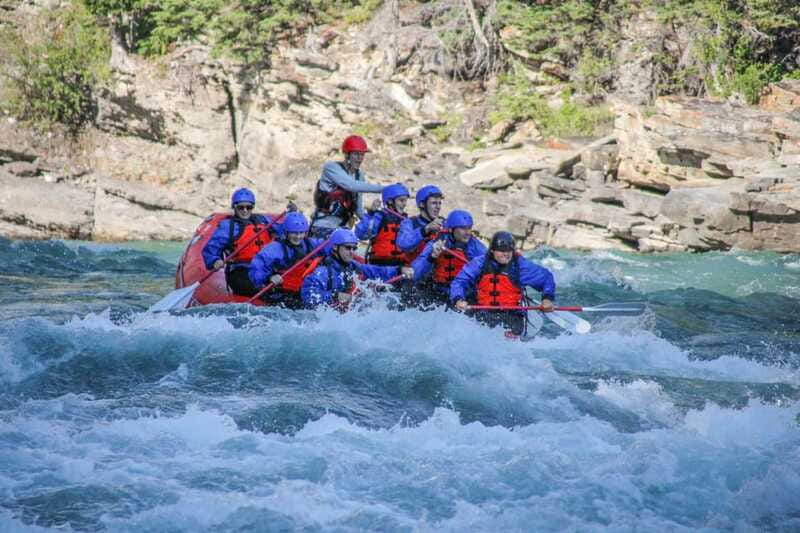
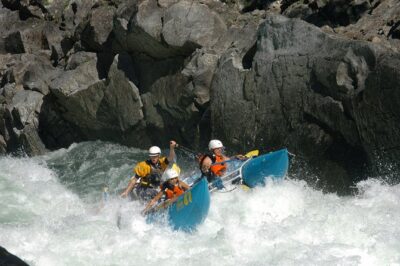
Once you are in the raft, the trip gets to the point quickly. You will paddle when told, shift your attention between the guide and the water, and brace yourself as the raft meets waves. This is a team activity. Your strength matters, but timing and listening matter just as much.
The phrase big hits is accurate in practical terms. A wave can soak you, jolt the raft, and make you work to keep your position. That physical side is part of the appeal, but it also explains why the tour is not suitable for children under 12, pregnant women, anyone under 88 pounds or 40 kilograms, or anyone over 350 pounds or 159 kilograms.
The trip is manageable for a first-time rafter who is prepared to follow instructions and make an effort. A first-time participant on one outing described the activity as exciting but doable, with a need to stay alert and help paddle. That is a fair expectation. You do not need to arrive as an expert, but you should be comfortable with cold water, physical movement, and a little uncertainty.
The exact amount of time on the water can vary with the day and schedule. One outing had about an hour on the river, plus roughly 30 minutes at a stop for cliff jumping. If you are booking mainly for river time, keep this in mind. The 210-minute duration includes check-in, gearing up, transfers, instruction, changing, and the drink afterward.
Choosing the 8-foot or 30-foot cliff jump
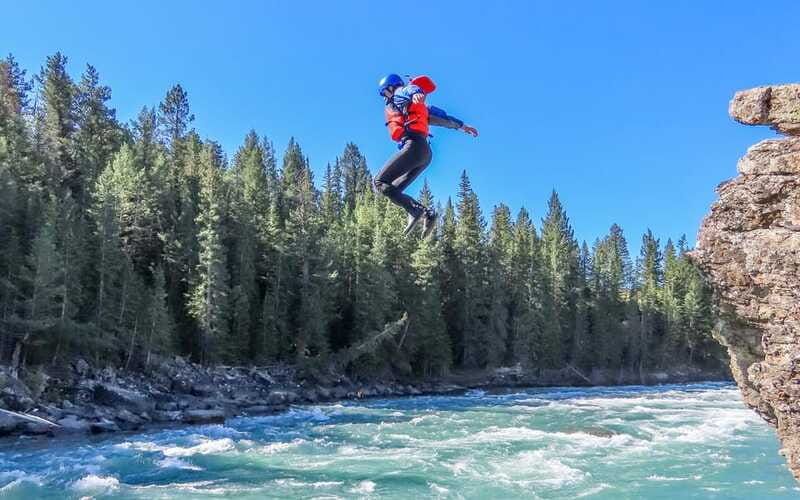
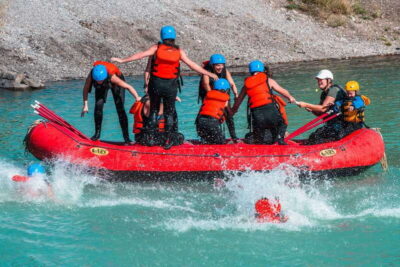
The cliff-jump stop is optional, which is one of the trip’s best features. You can enjoy the raft and scenery without adding a leap into the river. If you want more excitement, the available heights are about 8 feet and 30 feet.
The lower jump is the sensible choice if you want to try the idea without making it the main event. The 30-foot option is a much bigger commitment and will appeal to people who actively seek an extra burst of adrenaline. You should never feel that you must jump to get full value from the tour.
This stop also changes the rhythm of the outing. For a short time, the focus shifts from paddling to watching, deciding, and taking turns. It can be a fun group moment, though it also means less time moving through the canyon. If your priority is continuous rafting, you may prefer to skip the jump and stay focused on the river.
Guides who keep the mood lively and controlled
A strong guide matters on whitewater, and the named guides connected with this trip have been praised for different parts of the job. Sam has been described as welcoming, clear, and good at keeping a group feeling safe while still excited. Ames has been praised for handling the raft with confidence and enthusiasm.
Quynton adds local stories, including film locations in the area. Bets has also received a direct shout-out for leading a fun outing. These details matter because a guide does more than steer. Your guide sets the pace, explains what is coming, keeps the group together, and helps turn nervous energy into useful attention.
Group matching can also affect your day. One family outing included adults, people in their twenties, a parent, and two teenagers, with the raft group described as a good match. You cannot control every group combination, but the activity is designed for mixed experience levels as long as everyone meets the age, weight, and health requirements.
English is the tour language. You should be ready to understand spoken paddling commands and safety instructions in English.
Returning to base, changing, and getting a drink
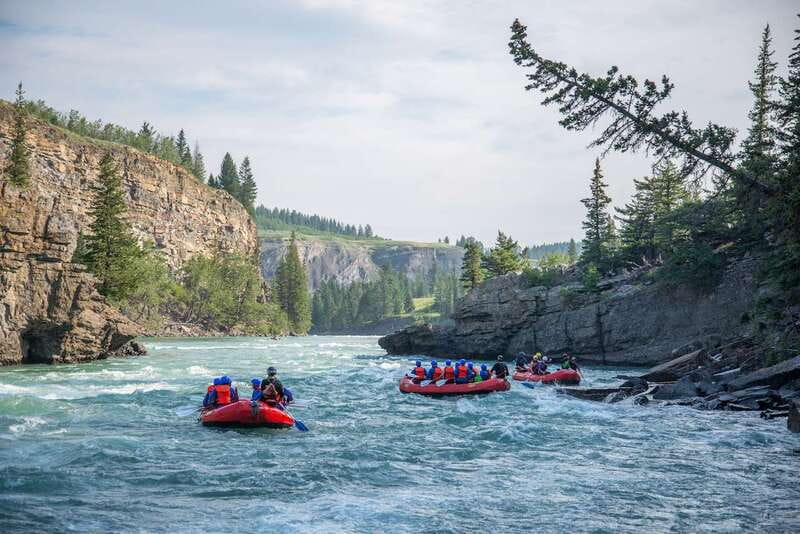
After the rafting and any cliff-jump stop, the buses take you back to the River Base in about 15 minutes. You can change out of your wet gear, return the equipment, and have the included refreshing beverage.
The end is simple, not elaborate. You receive instructions on how to view and purchase photos, with images generally available 24 to 48 hours later. If you arranged transport from Canmore, the return transfer follows. If you drove to the River Base, you are free to continue your day in the Canadian Rockies.
Because the whole activity lasts 210 minutes, it fits well beside other plans. You could pair it with a relaxed afternoon, a meal, or another short outing. Do not schedule something that requires you to be perfectly dry and composed immediately afterward. You will be wet, changed, and ready for a breather.
Is $98 a fair price?
At $98 per person, the price is reasonable for a guided half-day whitewater trip with equipment and river transport included. You are not paying only for raft access. The fee covers the guide, wetsuit, helmet, life jacket, booties, splash jacket, transport between the base and put-in, and a drink afterward.
The value is strongest if you need the gear. Buying or renting a full cold-water setup for one outing would add cost and hassle, and the guide-led format gives you instruction that independent river use would not provide. The 210-minute schedule also gives you a substantial half-day activity rather than a short ride.
The price does not include Canmore pickup and drop-off, so add that cost or arrange your own way to the River Base. Photos are also extra. If you are comparing this with a longer rafting trip, remember that the actual time on the water may be around an hour on some schedules, with additional time used for the cliff-jump stop and transfers.
Who should book this river adventure?
I would point this tour toward active adults, families with older children, couples, and first-time rafters who want a strong taste of whitewater without committing to a full-day expedition. It is especially suitable if you like physical activities, cold mountain water, and a guide who keeps the outing upbeat.
It is not a good fit if you want a calm float, dislike getting wet, or need a quiet sightseeing trip. You should also skip it if you are pregnant, under 12, outside the stated weight limits, or uncomfortable with the physical demands of paddling and staying balanced in a raft.
The rain-or-shine policy is important. Wet weather does not cancel the fun, and getting wet is part of the activity. Check the forecast for comfort, not for permission to go.
You can cancel up to two days in advance for a full refund. Every participant must sign a waiver before the outing, and anyone under 18 needs a parent or guardian to sign. Completing the waiver online before arrival saves time at check-in.
Should you book the Horseshoe Canyon rafting tour?
Book it if you want a lively, physical half-day on the Bow River and you like the idea of big waves, optional cliff jumps, and steep canyon walls. The included gear and direct instruction make it a practical choice for first-time rafters, while the Class 2 to 4 water gives experienced participants enough action to stay interested.
Think twice if your main goal is a long stretch of rafting or polished facilities. The river time may feel brief to someone seeking an all-day trip, and the River Base is basic. For the right person, though, the rough edges fit the experience. This is a wet, active, good-natured mountain outing, not a sightseeing cruise.
FAQ
Where does the Horseshoe Canyon rafting tour meet?
The meeting point is the River Base beside the Stoney Nakoda Resort and Casino. Enter the resort, take the left exit from the traffic circle, follow the ring road toward the back, and turn right after the large white tent. Park in the open area beside the River Base.
How long does the tour last?
The full activity lasts 210 minutes. This includes check-in, gearing up, instruction, transport to and from the river, rafting, changing, and the drink afterward.
What river difficulty should I expect?
The Horseshoe Canyon section is rated Class 2 to 4. You should expect active paddling, large waves, and hard hits rather than a calm float.
Are cliff jumps required?
No. The 8-foot and 30-foot cliff jumps are optional. You can take part in the rafting without jumping.
What equipment is included?
The tour provides a wetsuit, life jacket, helmet, booties, splash jacket, and an extra wetsuit jacket on colder days. An experienced guide and transport from the River Base to the river are also included.
Is transportation from Canmore included?
No. Canmore pickup and drop-off are not included in the $98 price. You can ask Canadian Rockies Rafting about arranging a shuttle from Canmore.
What should I bring?
Bring warm clothing, swimwear, a change of clothes, a towel, biodegradable sunscreen, and any personal medication. Cameras, cellphones, backpacks, bags, alcohol, drugs, and bare feet are not allowed.
Who cannot take this tour?
The activity is not suitable for children under 12, pregnant women, people under 88 pounds or 40 kilograms, or people over 350 pounds or 159 kilograms.
Can I cancel for a refund?
You can cancel up to two days in advance for a full refund. Every participant must also complete a waiver, and anyone under 18 needs a parent or guardian to sign it.
Just added around Canada
- Full day rafting on the Ottawa River★ 5.0 · 8 reviews
- Ultimate Ottawa Lazy River Rafting Tour – From Ottawa & Gatineau★ 5.0 · 23 reviews
- Rafting (Half day) WITH Transport From Tremblant Resort★ 3.5 · 2 reviews
- Half-Day White Water Rafting on the Rouge River★ 4.5 · 8 reviews
- Family Friendly Whitewater Rafting★ 5.0 · 32 reviews
- Nahatlatch River Rafting – 24 Amazing Rapids★ 5.0 · 6 reviews
- Sunwapta Challenge Whitewater Rafting in Jasper★ 4.8 · 31 reviews
- Montreal Rapids: All-Inclusive Rafting Adventures★ 5.0 · 2 reviews
Canada Rafting Tours, compared.
Clearwater, BC, Rafting, Finish in Canadas waterfall capital!
Read our review →
Jasper National Park: 2-Hour Whitewater Rafting
Read our review →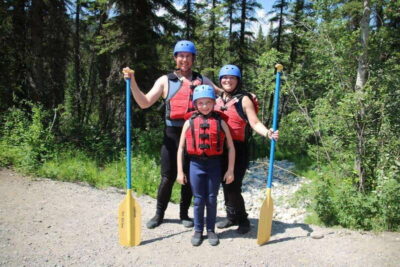
Afternoon Kananaskis River Whitewater Rafting Tour
Read our review →Browse the lists this tour appears in